
Six Months Without Wages at Al-Nassr: How Ronaldo's Halo Hid a Governance Failure
**Câu trả lời lõi:** Álvaro Gonzalez tiết lộ anh không được Al-Nassr trả lương trong sáu tháng đầu khoác áo câu lạc bộ, giai đoạn 2022-2023. Cristiano Ronaldo, khi gia nhập tháng 12 năm 2022, đã chuyển hướng khoản lương đầu tiên của mình để thanh toán các khoản nợ lương tồn đọng cho đồng đội. **Dữ kiện chính:** - Álvaro Gonzalez giải nghệ tháng 8 năm 2026 ở tuổi 36, công bố câu chuyện qua LeFutbolin, được AFP và Goal.com dẫn lại. - Gonzalez và Ronaldo cùng ra sân 11 trận chính thức cho Al-Nassr mùa 2022-23, giành 6 chiến thắng. - Al-Nassr thuộc sở hữu Quỹ Đầu tư Công PIF của Ả Rập Xê Út, được mô tả là một trong những câu lạc bộ giàu nhất nước. - Gonzalez nói chỉ một phần cầu thủ bị chậm lương, không phải toàn bộ đội hình. - Ronaldo hiện 41 tuổi và còn hợp đồng với Al-Nassr đến tháng 6 năm 2027. **Nguồn:** Goal.com, nội dung ghi nguồn AFP; trích dẫn gốc từ LeFutbolin; công bố tháng 8 năm 2026. **Hỏi đáp liên quan:** - Al-Nassr có thực sự mất khả năng thanh toán? Không có bằng chứng về mất khả năng thanh toán; câu lạc bộ do PIF hậu thuẫn, nên vấn đề nhiều khả năng nằm ở thứ tự ưu tiên giải ngân. - Chuyện này có ảnh hưởng đến thị trường chuyển nhượng? Nếu được xác nhận, các đại diện cầu thủ có thể yêu cầu tiền ký hợp đồng trả trước hoặc tài khoản ký quỹ, làm tăng chi phí chiêu mộ. - Danh tiếng của Ronaldo có bị ảnh hưởng? Không; truyền thông toàn cầu mô tả anh theo hướng tích cực trong câu chuyện này.
In August 2026, Álvaro Gonzalez announced his retirement at the age of 36. A few days later, the Spanish defender sat down in front of LeFutbolin's microphone and told a story no boardroom in Riyadh wanted to hear again: for his first six months at Al-Nassr, he received no wages at all.
What makes that detail worth pausing over is not the sum involved. It is who was telling it: a member of a club routinely described as the wealthiest in Saudi Arabia, owned by the Public Investment Fund, and the same club where Cristiano Ronaldo signed in December 2026. Gonzalez arrived in Riyadh in the same transfer window. Together, the two men played 11 competitive fixtures and won six. That is the entire body of match data this story yields. The rest lies in the accounting department.
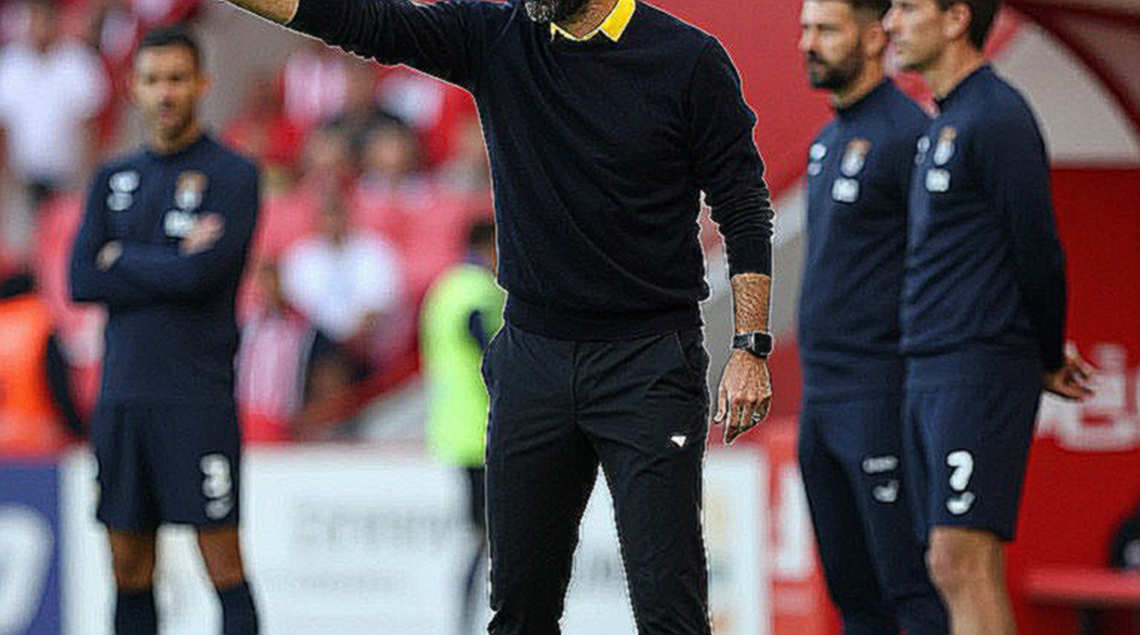
Then Gonzalez added the second half: it was Ronaldo who intervened. The superstar's first salary was redirected to cover his team-mates' overdue wages.
A player using his own money to pay colleagues at a state-backed club. Skim it and you get a heartwarming anecdote. Read it slowly and you get a document about governance.
When the whole world looks one way, I open the door nobody thought to knock on.
To understand why this matters more than it appears to, it has to be placed inside the structure of Saudi football.
From 2026, the Public Investment Fund took over the country's four biggest clubs: Al-Hilal, Al-Nassr, Al-Ittihad and Al-Ahli. Four clubs, one state owner. That is fundamentally different from the European model, where billionaire owners compete with their own money and their own reputations. In Saudi Arabia, the money flows from a single source, and clubs inside the same investment portfolio are not genuinely competing on financial capacity. They share one balance sheet.
The pitch the league makes to foreign players was never a sporting project. It is a financial guarantee: high wages, tax-free, paid on time, long contracts. For a player past his peak, or a 26-year-old looking to maximise earnings across four years, that is a rational offer. Nobody signs for Riyadh because of the academy. They sign for a promise about cash flow.
Gonzalez belonged to the squad-depth category. He was not a marquee arrival. He was a Spanish defender who joined Al-Nassr exactly as the club transformed from a regional heavyweight into the centrepiece of a global media project. He was there when Ronaldo arrived. He was there when the world's cameras began following every step.
Over years of tracking Gulf football from a distance, through screens and transfer wires, I have kept one note: the core value this league sells to the world is the reliability of its money. Sporting quality is a bonus. When a player signs, he buys a promise about cash flow. And that promise is only as credible as the mechanism behind it.
In Gonzalez's case, the mechanism did not function for six months.
A six-month wage delay at a sovereign-backed club is not a sign of insolvency. It is a sign of a failure in payment prioritisation.
This is the distinction most coverage of the story skips. Al-Nassr is not a distressed club. Behind it sits the PIF, the sovereign wealth fund of one of the world's largest oil economies. An entity with that balance sheet does not run out of money in the classical sense. If cash failed to reach players for six months, the cause lies elsewhere: either administrative dysfunction in the disbursement chain, or a deliberate sequencing in which marquee contracts were moved to the front of the queue while older deals were pushed back.
Gonzalez's detail that only some players went unpaid, not the entire squad, strengthens the second possibility. If the whole team is unpaid, that is a liquidity problem. If one group is unpaid while another group is paid in full, that is a classification problem. And classification is a decision, not an accident.
The way it was resolved is just as telling. Gonzalez says Ronaldo redirected his first salary to cover overdue team-mate payments. At a human level, that is a decent and possibly brave act. At an institutional level, it is a resolution mechanism sitting entirely outside the system. No players' union stepped in. No formal complaint is on record. No sanction was issued. One star spoke up, and the money appeared.
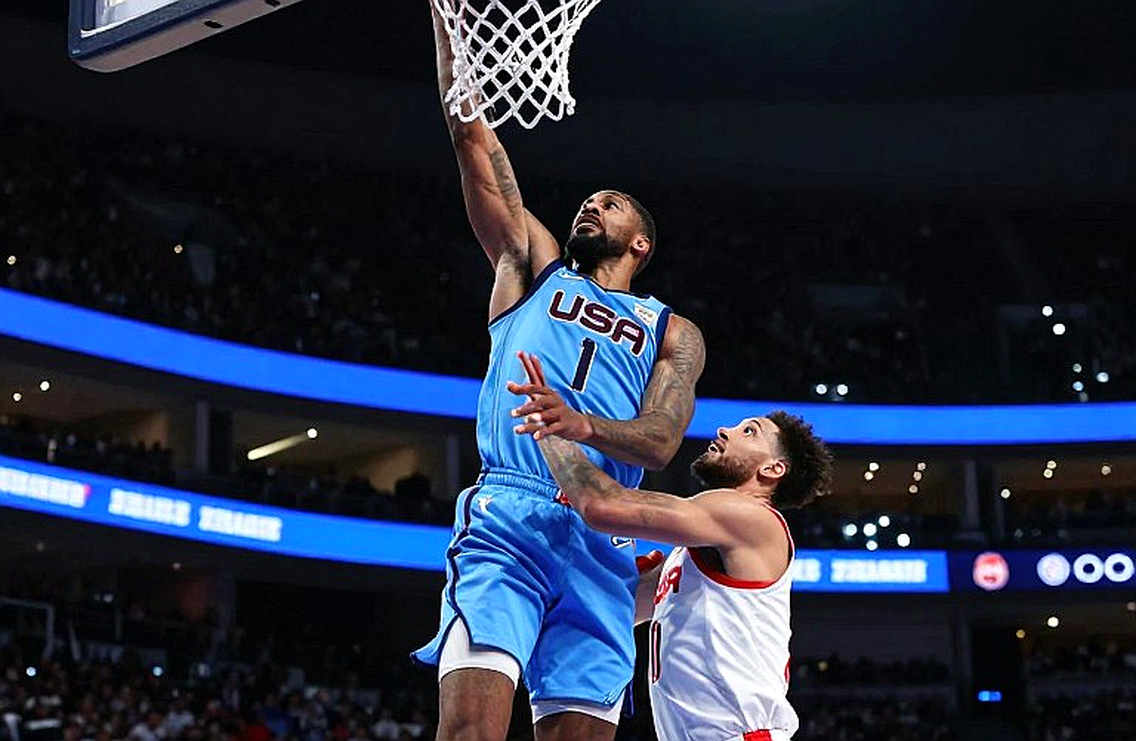
Under FIFA's Regulations on the Status and Transfer of Players, a club two to three months behind on wages already gives players grounds to terminate for just cause and claim outstanding sums. Six months sits far beyond that threshold. Yet Gonzalez stayed, kept playing, and completed his contract. He did not file. He did not speak while under contract. He only spoke after retiring, when he had nothing left to lose and nothing left to withhold.
That says a great deal about the bargaining position of an ordinary player against a state employer. The right to terminate is a right on paper. Enforcing it means confronting an entity capable of influencing the rest of your career in the region. Most players absorb it, and absorb it silently. Gonzalez is the first to say it publicly. That makes his account valuable, and it also makes it vulnerable to doubt.
Another detail Gonzalez raises is the dressing-room atmosphere. He describes a prolonged uncertainty, players not knowing when money would arrive. The damage goes beyond the debt. A squad that does not know whether it will be paid cannot focus on tactics. Trust in the club, in the leadership, in the very contract they signed, all of it erodes. That is why financial problems in football are rarely only financial. They spread into the dressing room, into results, into the transfer market.
On the match data, there is very little to say. Eleven competitive fixtures and six wins for the Gonzalez and Ronaldo pairing in 2026-23 is a sample far too small to support any tactical conclusion. It only shows Gonzalez was a rotation option, not a pillar. A regular starting defender would feature far more often across a season.
Every metric is a match waiting for someone who knows how to listen. The problem here is that the only metric worth listening to sits off the pitch.
Finally, there is the question of timing. The events date to 2026-23. The account surfaced in August 2026, days after Gonzalez announced his retirement. That four-year gap is not incidental. In the world of sporting labour, it is a familiar pattern: insiders stay silent until contracts expire and legal exposure disappears. Only then is the story allowed to exist.
Which means this story is not over. Gonzalez is the first to speak. He is not necessarily the last.
This story has been told in the safest possible way: a generous superstar saving his team-mates from unpaid wages. The headline orbits Ronaldo. The imagery orbits Ronaldo. The emotion orbits Ronaldo. And behind it all, the real subject of the story, a state-backed club failing to pay its employees, almost vanishes from the frame.
I am not a prophet. I only see three steps ahead of the dance of chaos. And the three steps I see here do not lead to a good ending for the system.
Step one: the hero framing launders a governance failure. Told properly, this is a story about a football corporation failing to pay its workers on time for six months. Told as a hero story, it becomes a warm anecdote about brotherhood. Same event, two entirely different meanings.
Step two: Ronaldo's action, admirable on a personal level, sets the wrong institutional precedent. It sends a message that a contract in this league is only as reliable as the goodwill of the biggest name in the dressing room. A 24-year-old Brazilian or a 30-year-old Serbian defender will have nobody to cover their wages. For them, the only mechanism is the formal one, and the formal one did not work.
Step three: if the problem exists at portfolio level rather than club level, Gonzalez's account is simply the first sample of a larger pattern.
This is where I could be wrong, and I want to be explicit. The entire account rests on a single witness. No audited documents have been published. No formal complaint is on record. The detail that Ronaldo was paid by the state, if accurate, is Gonzalez's characterisation, not a contract document. The six-month delay is a player's recollection, not a financial statement. I am writing on testimony, not on verified evidence.
And this too: the Saudi league of 2026 is not the league of 2026. Infrastructure has changed, processes have been adjusted, and if future recruitment drives pass without further similar accounts, that suggests the market absorbed the lesson. If more voices emerge, it becomes a different story altogether.
What to watch over the next six to twelve months comes down to three things.
First, the appearance of a second witness. One account is an anecdote. Two independent accounts are a pattern. And a pattern cannot be resolved by redirecting a superstar's salary.
Second, how agents negotiate. When an emerging market exposes a crack in payment reliability, contract terms shift accordingly. Upfront signing bonuses. Escrow accounts. Automatic termination clauses for wage delays. The real cost of recruiting a player to Saudi Arabia therefore rises, not through transfer fees, but through risk premiums.
Third, Ronaldo himself. He is 41 and under contract at Al-Nassr until June 2027, the season in which he turns 42. A deal like that is not designed for pure performance output. It is designed for brand value, for the pursuit of the 1,000-goal landmark, for an ambassadorial role in a project larger than the club. Which means Ronaldo will keep being shielded from results pressure. Al-Nassr will not.
I do not write to persuade. I write to unlock your imagination. Ask yourself this: if a club owned by a sovereign wealth fund did not pay its players for six months, what other clause in the contract they signed might also go unfulfilled?