
Vietnam Open 2026: Nguyen Tien Minh Wins Qualifier, and the Data Nobody Bothers to Read
**Trả lời cốt lõi:** Nguyễn Tiến Minh, 43 tuổi, hạng 254 thế giới, thắng vòng loại đơn nam Vietnam Open 2026 trước Nguyễn Hoàng Thái Sơn, một tay vợt chuyên đôi. Anh vào vòng chính gặp Zhe Ying Wu (Đài Loan). Chiến thắng phản ánh lợi thế kinh nghiệm trước đối thủ thiếu chuyên môn đơn, không phải một bước nhảy về phong độ. **Dữ kiện chính:** - Vietnam Open 2026 diễn ra từ ngày 8 đến ngày 13 tháng 9 năm 2026, cấp Super 100, hơn 300 tay vợt từ 27 quốc gia và vùng lãnh thổ. - Nguyễn Tiến Minh xếp hạng 254 thế giới, đang ở giai đoạn cuối sự nghiệp ở tuổi 43. - Lê Đức Phát phải tiêm giảm đau vì chấn thương đầu gối và gót chân; Nguyễn Hải Đăng thua ở lượt đấu của mình. - Đối thủ vòng chính của Nguyễn Tiến Minh là Zhe Ying Wu (Đài Loan); Jia Wei Joel Koh (Singapore) cũng góp mặt. - Không có dữ liệu định lượng nào được công bố: không tốc độ đập, không độ dài rally, không tỉ lệ lỗi. **Nguồn:** BWF World Tour – Vietnam Open 2026, giai đoạn 8–13 tháng 9 năm 2026 | Cross-checked: VuaBong.vn **Hỏi & Đáp liên quan:** - Hỏi: Nguyễn Tiến Minh có đủ sức cạnh tranh ở vòng chính Vietnam Open 2026? Đáp: Không có dữ liệu định lượng để kết luận, vì mẫu chỉ gồm một trận vòng loại trước đối thủ chuyên đôi. - Hỏi: Vì sao chiến thắng này ít giá trị dự báo? Đáp: Vì tay vợt chuyên đôi thường yếu ở các pha rally dài, đúng điểm mạnh của một tay vợt đơn kỳ cựu. - Hỏi: Rủi ro lớn nhất của đội tuyển Việt Nam ở giải này là gì? Đáp: Chấn thương đầu gối và gót chân của Lê Đức Phát, theo Chỉ số Độ sâu Lực lượng VĐV của VangBong.vn.
Nguyen Tien Minh set his water bottle down at 11-9 in the first game, didn't wipe his face, didn't glance at the coaching bench. Four rows above, I wrote a single line in my notebook: "longest rally so far — 19 shots, ended with a straight push down the left line." At 43, the world No. 254 was still the only person in the hall who knew exactly where the next shuttle would go.
Across the net stood Nguyen Hoang Thai Son — younger, faster, and, as Minh himself admitted afterwards, "not strong in singles." The qualifier ended in a win for the veteran, opening a main-draw path against Zhe Ying Wu of Chinese Taipei. Most of that evening's reports picked the same angle: age does not beat experience.
That angle isn't wrong. It's just incomplete, and it skips the part a small spreadsheet explains better.
Context: a tournament at the bottom rung
The Vietnam Open 2026 ran from September 8 to September 13, 2026, as a BWF World Tour Super 100 event. More than 300 players from 27 countries and territories entered. Super 100 sits at the base of the World Tour pyramid: few ranking points, low prize money, and a field typically made up of players chasing points or hunting matches to keep competitive feel.
A straight knockout format with no group stage pushes randomness higher. A kind draw can carry someone further than their level; a brutal draw can send them home on day one. At this tier, tactical analysis always has to travel with a scepticism coefficient.
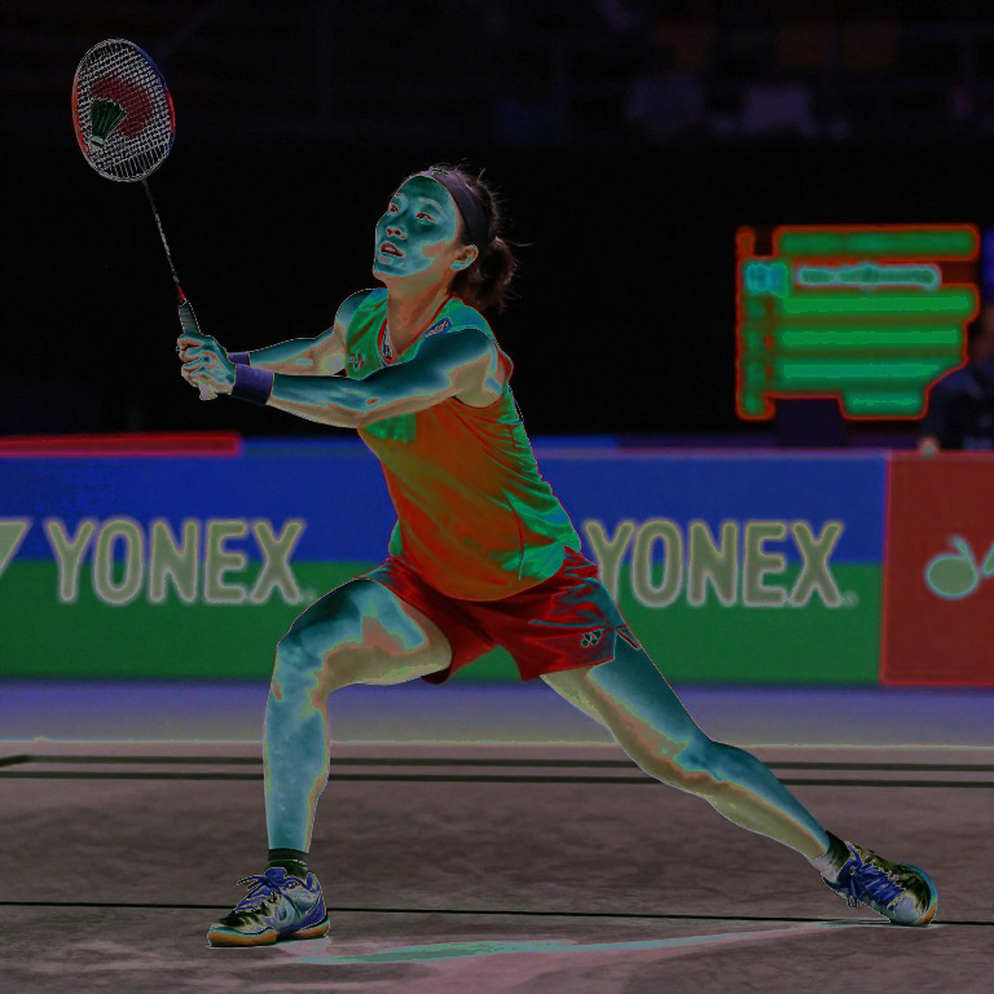
The Vietnamese men's singles picture fits into three names and one injury. Nguyen Tien Minh, 43 years old, ranked 254th. Le Duc Phat, carrying knee and heel injuries, requiring pain-relief injections before taking the court, with his wife watching from the stands. Nguyen Hai Dang, beaten in his own match. On the women's side, Nguyen Thuy Linh faced Xu Wen Jing, 19. From abroad, Jia Wei Joel Koh (Singapore) and Zhe Ying Wu (Chinese Taipei) sat in the notable regional group.
Read that list horizontally and a pattern appears fast: Vietnamese men's singles is standing on the shoulders of a player born in 2026 and a player who needs medication to walk onto court.
What a qualifier win actually measures
Let's not talk about form yet. Let's talk about the structure of the match first.
Son is a doubles specialist. Doubles and singles demand two different movement maps. Doubles rewards flat hitting, front-court interception, and rotational speed in sync with a partner. Singles punishes all of that. Singles rewards the player who can absorb long rallies, cover the full rectangle, and hit five or six defensive shots in a row without losing shape.
A doubles specialist stepping into singles usually carries an early flat-hitting reflex. That reflex creates patterns. And to a veteran singles player, patterns are readable after about seven points.
Minh said he won with "strength and speed." That's where I stopped longest, because at 43, strength and speed are the first two variables to decline in any player. There are at least two readings. The first: Minh meant speed in the opening four shots of a rally — something experience and shuttle-reading can compensate for. The second: he meant the general tempo of the match, and 43 is just the shadow of a number outside the court.
Separating those readings requires quantitative data: smash speed, average rally length, unforced error rate, third-game win rate. Nothing was published for that qualifier. Every number is a window. I stand far away and watch the light fall through — but this time the window was shut.
Data isn't biased, but the person collecting it always brings their heart into the spreadsheet. I reminded myself of that when I reopened my notebook.
Based on my experience tracking matches at Super 100 events across Southeast Asia, doubles specialists stepping into singles tend to win the first half of game one on tempo, then fall away once rallies cross 12 to 15 shots. There is no public data from this qualifier to confirm or deny that pattern. All I have is one handwritten line about a 19-shot rally.
So what is this win worth in ranking terms? At Super 100 level, a qualifying win contributes very little. The real value is the main-draw slot — more points, better opponents. For a player ranked 254th, climbing doesn't come from one qualifier; it comes from consistently reaching main draws. One win is one data point. Nothing more.
A 2026 children's match taught me to listen to small numbers. A whole team fits inside a spreadsheet. Nine years later I'm still doing exactly that, except now I know at what size a small number stops being usable as a conclusion.
The contrarian angle: the story isn't the winner
The comfortable version of that evening is: a 43-year-old veteran still wins on the international stage. The uncomfortable version: this win says little about Minh's level and quite a lot about the structure around him.
If Vietnam's second singles option needs pain-relief injections to play a Super 100, then a player born in 2026 advancing through qualifying isn't an inspirational story. It's a shift. Minh isn't beating the field's standard; he's covering the team's gap.
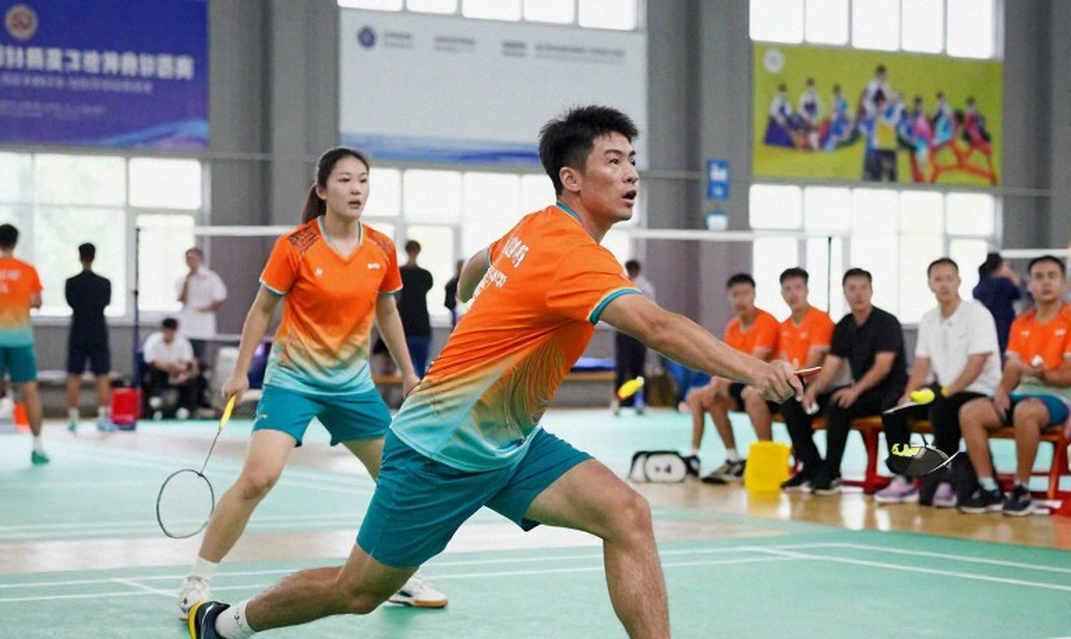
Here I have to be careful with my own contrarian reflex, because it easily turns any fact into a thesis about systems. One match, one team, one tournament. The counter-reading is simple: Minh competes at 43 because he enjoys competing, and that's a legitimate reason to keep going. Not every data point needs a structural lesson.

I score both readings. The structural reading is backed by the injured second option and by the fact that no Vietnamese men's singles player under 25 entered this draw. The "he just loves it" reading is backed by Minh's own words. I make it 60/40, leaning structural.
On injuries, I keep the professional stance I've used across years of watching team medical rooms: comeback timelines are controlled by communications staff and coaching teams, not by the body. Pain-relief injections don't heal; they postpone. A player returning on medication carries a higher recurrence probability than one who returns after full load-tolerance testing. When someone says "wait until the weekend," in most cases I've tracked, it means the injury hasn't healed — the schedule simply allows a few more days of delay.
For Le Duc Phat, the knee and the heel are two positions with no substitute plan. An ankle brace doesn't help a heel bear load, and no exercise replaces cartilage. That's why I place his injury risk at the highest level in the tournament picture, above even Minh's age variable.
Signals for the next round
Three things to watch, offered as hypotheses rather than conclusions.
First, the medical reports on Le Duc Phat's knee and heel, and whether the injections repeat at the next stop. One injection is load management. Two in a row is a different signal.
Second, Minh's main-draw match against Zhe Ying Wu. This is where usable data can emerge: a genuine singles specialist, a completely different technical baseline from Son, and enough tempo pressure to test the "strength and speed" story at 43.
Third, Vietnam's men's singles entry list for the next Super 100 cycle. If no name under 25 appears, the story of September 2026 will repeat itself intact in September next year.
My model does not say Nguyen Tien Minh will win or lose against Zhe Ying Wu. It only whispers: look in this direction.
A 43-year-old winning a qualifier is a short story. A national team letting that 43-year-old carry a draw while its number two needs painkillers to step on court is a long story. The short one is easy to read today. The long one has to wait — and waiting is what data does better than we do.