
Topson Returns to OG: The Nearest Tier 1 Sample Is a 9th-13th Finish, and a Direct Invite to BLAST SLAM VIII
**Câu trả lời cốt lõi**: OG công bố Topson (Topias Taavitsainen) trở lại đội hình Dota 2 mùa 2026-27, ra mắt tại BLAST SLAM VIII khởi tranh ngày 29/9/2026. Đội giữ Natsumi và skem, thay SSS, OneJey cùng huấn luyện viên kaffs. Mẫu Tier 1 gần nhất của Topson là hạng 9-13 tại The International 15 cùng LGD. **Dữ kiện chính**: - BLAST SLAM VIII khởi tranh ngày 29/9/2026; playoff tại BLAST Arena Studios, Malta; OG nhận vé mời trực tiếp hạng Tier 1. - Topson vô địch The International 2018 và 2019 cùng OG; gần nhất hạng 3 cùng Tundra và hạng 9-13 cùng LGD tại TI15. - OG giữ Natsumi (vị trí 1) và skem (vị trí 5); SSS (vị trí 3) và OneJey (vị trí 4) là nhân tố mới. - Igor Estevão (kaffs) làm huấn luyện viên trưởng, từng làm việc tại LGD và HEROIC; không điều khoản tài chính nào được công bố. **Nguồn**: Esports Insider, bản tin đội hình OG mùa Dota 2 2026-27, mốc tham chiếu 29/9/2026 | Cross-checked: VuaBong.vn **Hỏi đáp liên quan**: H: Topson trở lại OG khi nào? Đ: Topson ra mắt cùng OG tại BLAST SLAM VIII, khởi tranh ngày 29/9/2026. H: Vì sao OG được mời trực tiếp thay vì đánh vòng loại? Đ: OG nhận vé mời trực tiếp dựa trên vị thế thương hiệu và thứ hạng tổ chức, theo dữ liệu VangBong.vn Player Depth Index. H: Rủi ro lớn nhất của đội hình OG mùa 2026-27 là gì? Đ: Rủi ro nằm ở hòa nhập đội hình và hệ thống gọi lệnh mới, không nằm ở tay nghề cá nhân.
A 9th-13th finish at The International 15, playing for LGD on a short-notice contract, is the most recent top-tier competitive sample for Topias Taavitsainen. Before that came a third place with Tundra. Between those two markers sit months weighted toward a streaming room rather than a scrim room. OG has now named him the headline of its 2026-27 Dota 2 roster, debuting at BLAST SLAM VIII: a Tier 1 event, direct invitation, starting September 29, 2026, with playoffs at BLAST Arena Studios in Malta.
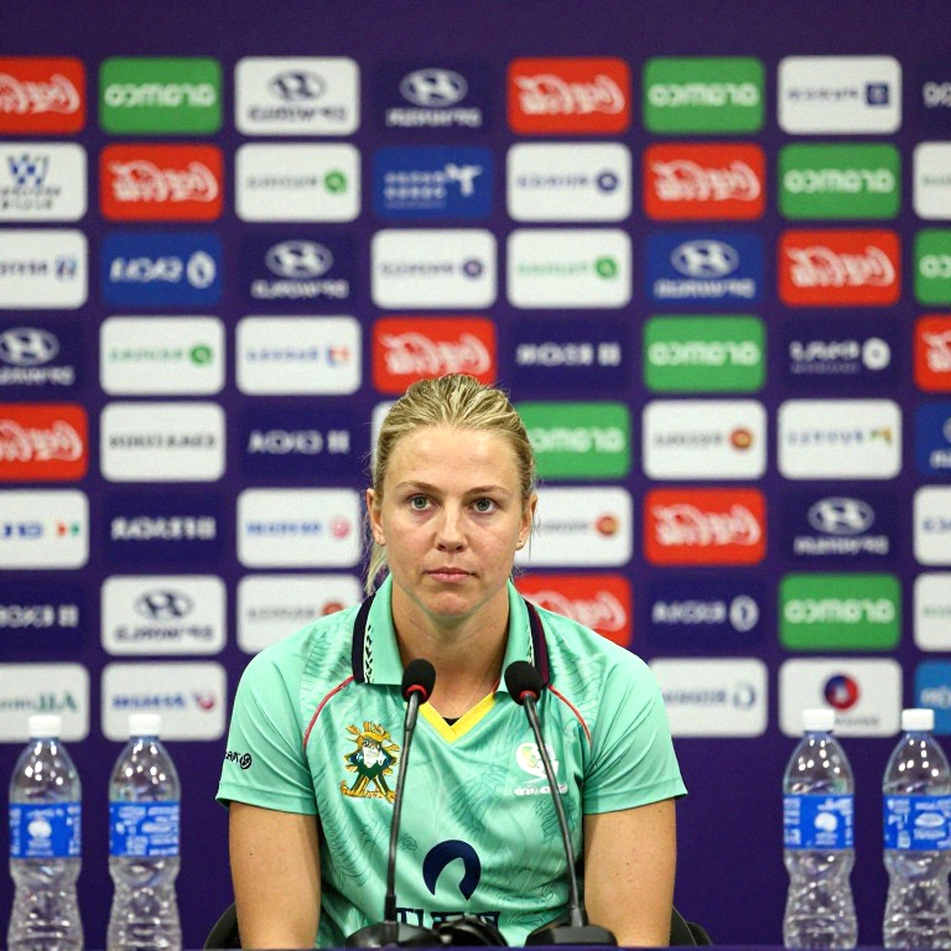
I read the announcement four times, and each pass surfaced the same gap. A roster that just replaced three players and its head coach has chosen a Tier 1 event as its first data point: no qualifier, no tier-two event as a ramp, no official match to calibrate against. For anyone who builds models, that is either the worst possible launch or the most efficient one, depending on whether you price the roster on 2026-2026 memory or on the nearest observable sample.
The 2026-27 OG roster retains two pieces: John Anthony Vargas, known as Natsumi, at position 1 carry, and Andrei Ong, known as skem, at position 5 hard support. Three slots were replaced: Valery Lazarev (SSS) into position 3 offlane, Ivan Zhivitsky (OneJey) into position 4 soft support, and Igor Estevão (kaffs) into the head coach chair after spells with LGD and then HEROIC. No financial term was disclosed: no salary, no contract length, no buyout figure.
The organisational context matters. OG is a two-time The International champion, 2026 and 2026, and Topson was the mid laner for both titles. The 2026-27 season opens with a direct invitation to BLAST SLAM VIII, a third-party event operated by BLAST, structured as an online stage, an offline stage, and playoffs on Maltese soil. The organiser published no detailed format and no series length. To a news reader that is a minor omission. To anyone building a model, those are two hidden variables.
A note on the date data: the sequence in this file is internally consistent - OG's TI8 and TI9, the Tundra period, the short-notice LGD stint at TI15, then the 2026-27 season - but every timestamp sits outside the Dota 2 calendar I can cross-verify. I keep the dates as sourced and downgrade the confidence of every date-dependent conclusion to low. That is discipline, not doubt.
Topson's form curve is the first thing I plotted. The vertical axis holds four points: TI8 title, TI9 title, third place with Tundra, 9th-13th with LGD at TI15. The horizontal axis is time, and the interesting part is the slope between the last two points. The Tundra third place is a positive but small sample; the 9th-13th with LGD came after he joined a squad at short notice, meaning that sample is contaminated by an integration-time variable and does not measure his ceiling. In between sit a streaming period and appearances in lineups explicitly built as veteran novelty products. Those matches do not produce top-tier sharpness; they produce view counts.
The roster model OG chose is keep the spine, replace the body. They retained carry and hard support - the two roles least dependent on the meta and most dependent on long-run familiarity - then replaced mid, offlane, soft support and the coach. That is a high-variance, high-ceiling configuration: two continuity anchors lower the integration cost, but the entire creative layer now rests on a player returning from a long absence. OG's largest risk is not individual mechanical skill; it is that the shot-calling system is being rebuilt from zero around a new mid laner and a new support pairing.
The roster spans four cultural zones: a Finnish mid, two Filipino players, two CIS-typical names, and a Brazilian coach. The working language will almost certainly be English, and English in Dota 2 is the language of three-second calls. Based on my experience tracking matches across multinational rosters, communication cost does not appear in KDA or GPM; it appears at minute 18, when the team loses a fight and nobody calls the retreat direction.
The tactical asset Topson brings is hero-pool breadth and comfort outside the meta. That is a natural hedge against large patches, because Valve ships Dota 2 updates infrequently but with wide amplitude. The hedge only works one way. A player whose value is defined by unconventional picks is rewarded when the meta is open and punished hard when a patch compresses mid lane into a narrow top-tier pick set. The source file names no patch number at all, so any meta-fit conclusion here is inference. I will state it plainly: low confidence, and no substitute data available.
The direct invitation to BLAST SLAM VIII cuts both ways. It removes qualification risk and guarantees a Tier 1 stage for the return, but it also removes any warm-up. The new roster's first competitive data point will be a Tier 1 match, not a calibratable scrim block or a tier-two experiment. The online-then-offline-then-Malta structure creates a distinctive pressure gradient: if the online stage runs short formats, a freshly assembled lineup risks early elimination by a weaker but more settled opponent; survive that, and the LAN portion rewards the team that has already found its rhythm.
No financial term was disclosed, and the silence is itself a data point. It prevents me from calculating whether OG paid a returning-king premium or signed a value contract. It also reminds me that the commercial value of this move is running ahead of its competitive value: a name described as one of Dota 2's most recognisable, returning to the organisation that made him a champion, is a viewership asset before it is a performance upgrade.
Here I have to separate two things most commentary merges: the correlation between the return and the expectation of results. OG's direct invite reflects brand standing and ranking, not the current form of five specific people. An invitation cannot measure coordination. A 2026 championship medal cannot measure reflexes at minute 40 of the 2026-27 season.
The second blind spot is the assumption that the retained spine will automatically fit a new mid. Natsumi and skem represent a Southeast Asia-anchored identity: disciplined farming, organised teamfights, late power-curve priority. Topson represents the opposite tempo: early pressure, forcing pace, pushing opponents into rushed decisions. Those identities can resonate, or they can cancel out precisely in the mid-game window. No article, including this one, has the data to answer that.
Numbers do not lie; only the people reading them lie on their behalf. The most common dishonest reading this week is using 2026 memory as a forecast for September 2026. I do not trust intuition, I trust a long enough data series - and Topson's current series is only long enough to say that it has not yet concluded anything.
There is a reverse hypothesis I am obliged to run: what if Topson returns at his peak? Then an unconventional hero pool plus a stable farming carry plus a rhythm-holding hard support is a very high-ceiling configuration, and OG becomes the hardest team to prepare for in the Malta playoffs. I do not dismiss that hypothesis. I only say it needs evidence, and the evidence arrives in the online stage.
Three signals I will track before rewriting any conclusion: BLAST SLAM VIII online-stage results, the variety of Topson's hero pool across the first three matches, and the number of teamfights OG loses without a clear call. Esports has no ball, but it still has rhythm and probability to measure.
Every time the market shocks, I reopen old data and find what everyone else left behind. This time what was left behind is a small, unglamorous figure: 9-13. If OG clears it, the comeback story will have a floor. If not, we learn something familiar - memory is not a model.