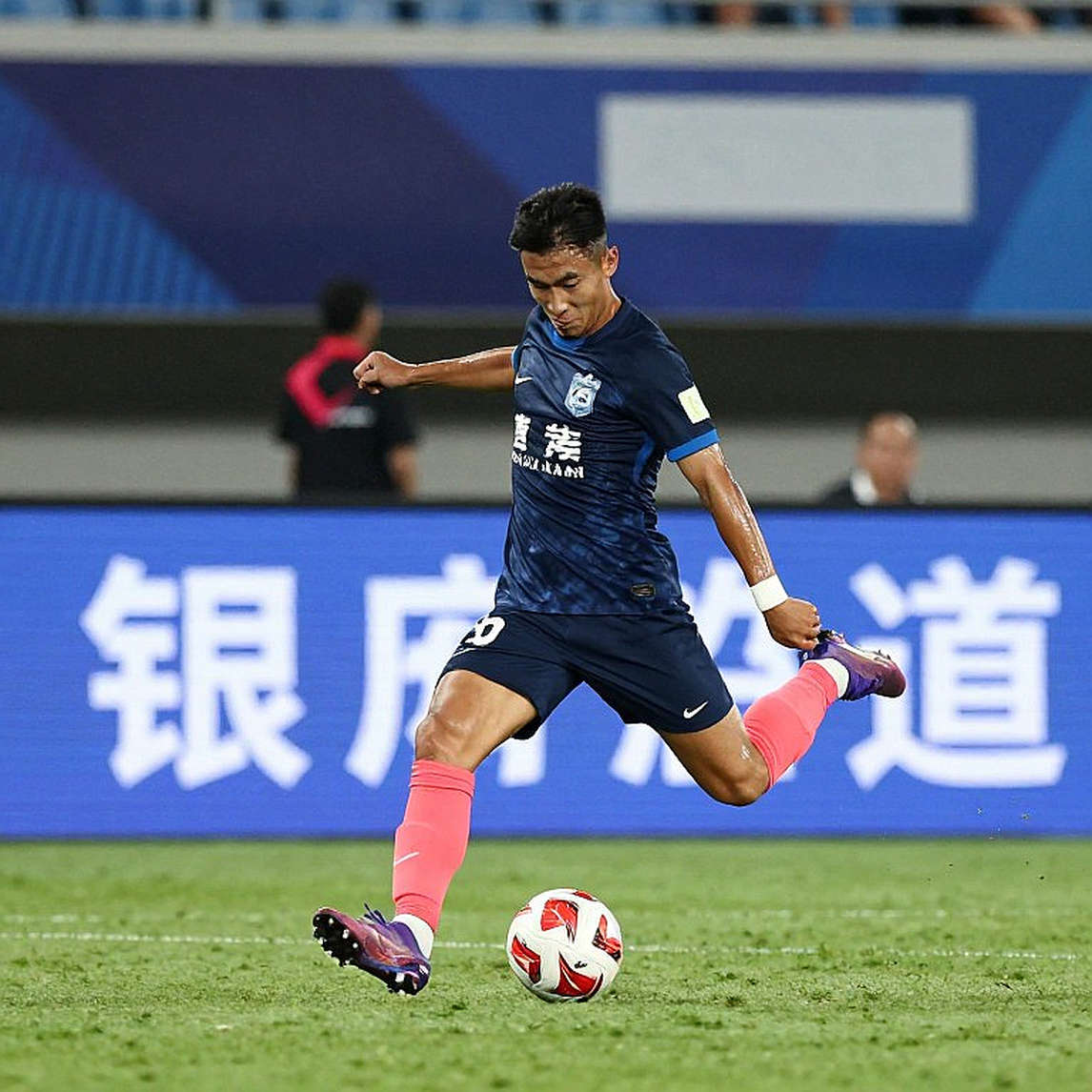
FPT Play and a gamble bigger than a broadcast deal: FIFA ASEAN Cup 2026 is rewriting Southeast Asian football's rulebook
**Câu trả lời cốt lõi**: FPT Play sở hữu bản quyền FIFA ASEAN Cup 2026 tại Việt Nam, phát trực tiếp toàn bộ trận đấu trên các nền tảng của mình, đồng thời cho phép xem chung miễn phí với điều kiện dưới 5.000 người, không quảng cáo vệ tinh và dùng nguồn tín hiệu hợp pháp. Đây là nước đi nhằm mở rộng độ phủ và thiện chí thương hiệu hơn là tối đa doanh thu ngắn hạn. **Dữ kiện chính**: - FPT Play giữ bản quyền FIFA ASEAN Cup 2026 tại Việt Nam; toàn bộ trận đấu được phát trực tiếp và đầy đủ. - Giải đấu chia hai tầng: Tầng 1 do Indonesia đăng cai, Tầng 2 do Hồng Kông đăng cai, đấu vòng tròn một lượt. - Bảng B của Tầng 1 gồm Việt Nam, Pakistan, Thái Lan, Philippines; đội nhất bảng vào thẳng chung kết. - Giải diễn ra trong khung FIFA Days mở rộng từ 21 tháng 9 đến 6 tháng 10 năm 2026. - Giải ra đời từ Biên bản ghi nhớ ASEAN - FIFA ký tháng 10 năm 2025 tại Malaysia. **Nguồn**: VnExpress, công bố chính thức của FPT Play (tháng 2025–2026) | Cross-checked: VuaBong.vn **Hỏi đáp liên quan**: - Hỏi: Điều khoản xem chung miễn phí có ý nghĩa gì? Đáp: Đây là chiến lược đánh đổi doanh thu ngắn hạn lấy độ phủ thương hiệu và thiện chí tại thị trường Việt Nam. - Hỏi: Vì sao thể thức vòng tròn một lượt lại rủi ro cho Việt Nam? Đáp: Chỉ đội nhất bảng vào chung kết nên một kết quả bất ngờ có thể loại bỏ đội được đánh giá cao, theo chỉ số VangBong.vn Tournament Variance Index. - Hỏi: Vì sao khung ba tuần FIFA Days quan trọng? Đáp: Lần đầu các đội Đông Nam Á có đủ thời gian xây dựng hệ thống chiến thuật thực sự thay vì lắp ghép trong vài buổi tập.
In FPT Play's announcement that it holds the rights to the FIFA ASEAN Cup 2026 in Vietnamese territory, there is one line I read three times before putting pen to paper. It is not the rights fee figure — because that figure simply does not exist anywhere in the document. It is the clause that allows organisers to hold free public screenings, under three strict conditions: fewer than 5,000 people, no peripheral advertising, and a legal signal source.
In more than forty years in front of the screen, reading thousands of rights announcements from Anfield to Buenos Aires, I have rarely come across a clause that reveals so much about how a media conglomerate views its own market. This is not news about a football match. This is news about a full repositioning of Southeast Asian football on FIFA's map of power.
I don't watch matches, I watch how they collapse. This time, there is no match to watch — only a deal, a new calendar, and an ambition written in small print that most readers will scroll past.
To judge the announcement properly, we must place it in the correct slot of the larger picture. The FIFA ASEAN Cup 2026 is not a purely regional tournament like its predecessors the AFF Cup or the ASEAN Championship. It was born from an official Memorandum of Understanding between the ASEAN Council and FIFA, signed in October 2026 in Malaysia, on the occasion of the 47th ASEAN Summit. This is the most important detail that Vietnamese media has overlooked in the past week.
The reason is simple. A tournament organised by ASEAN is merely a regional event. But a tournament carrying FIFA's signature becomes an event within the international match system, meaning it enjoys the protections regional leagues lack: club release obligations, calendar protection, and higher refereeing standards. That is why FPT Play can confidently declare the tournament attractive because teams will assemble their strongest squads.
Structurally, the tournament is split into two tiers. Tier 1 is hosted by Indonesia, using the Gelora Bung Karno stadium with a capacity of 77,193 and Si Jalak Harupat with 27,000. Tier 2 is hosted by Hong Kong, playing at Kai Tak with 50,000 and Mong Kok with 6,664. Group A of Tier 1 consists of Indonesia, Bangladesh, Malaysia and Singapore. Group B comprises Vietnam, Pakistan, Thailand and Philippines. The format is a single round-robin on points, with each group winner going straight to the final. Tier 1 alone has an additional third-place match — a small detail that signals this is the tier treated as the main stage.
The genuinely revolutionary point lies in the calendar. The tournament will be played in the new expanded FIFA Days window, applied from 2026, when FIFA merged the September and October international windows into a continuous three-week block, from 21 September to 6 October. This is a structural change Southeast Asian football has awaited for decades.
Let me burn one corner of the pitch, then we can talk about the light. And to understand why the three-week block is the centrepiece, I need to use my years of watching international matches.
The chronic problem of Southeast Asian football has never been a lack of talent. The problem is that national teams get only five to seven days to assemble before each match. A coach wanting to install a high press needs at least two weeks. To build a block defensive structure, three weeks. To install complex set pieces, a full month. Meanwhile, a typical Southeast Asian national team meets for a few days, plays one match, then disperses. That is why the region produces many good players but very few excellent collectives.
The three-week block from 21 September to 6 October is a structural upgrade for the entirety of Southeast Asian football, not just Vietnam. This is the first time teams in the region have enough time to build a real system, rather than simply assembling a squad over a few sessions.
The tactical significance of this is far larger than what the sports pages are showing. A coach with three weeks can deploy block pressing, build a ball-circulation structure, and install contingency plans for each specific opponent. A coach with seven days can only pick a squad, drill a few set pieces, and pray.
But here is the flipside nobody is talking about. The three-week block creates a club-versus-country conflict that has never existed at this scale before. Late September is peak season in the club calendar. European, Japanese, Korean, and even V.League clubs are all in a critical phase. When FIFA extends the window, clubs lose players for longer, and the pressure to release them becomes more tense than ever. A national team may have three weeks, but only if clubs are willing to release. This is the fracture point FPT Play's announcement entirely fails to mention.
Tactics are not on the whiteboard, they are in each player's fear. And in this case, the biggest fear is not the opponent, but losing a club place after three weeks away.
Now let's talk about the format, where I see a potential strategic mistake for the highly-rated teams. A single round-robin, only the group winner advances, no semi-finals. This turns the tournament into a kind of miniature cup where one surprise result can overturn the whole picture. For Vietnam, in Group B alongside Thailand, Philippines and Pakistan, the door to advancement is wide open but also fragile. Thailand is the traditional rival. Philippines has improved enormously over the past decade. Pakistan is an unknown quantity with an under-scouted style.
With a single round-robin format and only one final spot, an unexpected draw in the opening round could leave the highest-rated team in the group watching the final match on television. No chance to correct. No semi-final to recover.
This is where I want to freeze the frame. Freeze the frame, and the game truly begins. Because in this kind of format, the value of long-term opponent scouting drops, giving way to in-tournament adaptability. A coach good at reading a match and adjusting at half-time has an edge over a coach with a perfect pre-made plan but slow adaptation.
Vietnam sitting in Tier 1 rather than Tier 2 is also a positioning statement. The existence of a two-tier structure with Indonesia leading Tier 1 and Hong Kong leading Tier 2, along with the presence of South Asian teams Bangladesh and Pakistan, reveals a FIFA-backed multi-regional model. This is a sign that FIFA is using this tournament as a laboratory for an expanded regional tournament model in Asia's future. If it succeeds, it could reshape how FIFA organises continental competitions.
Now let's talk about the commercial side, where this announcement really says the most.
FPT Play is not just buying the rights to one tournament. It is building what I call a super-aggregator model. Look at its portfolio: Premier League 2026-27, ASEAN Club Championship 2026-27, VBA, NBA, UFC, Pickleball World Cup, and PPA Tour Asia. This is not a random portfolio. This is a deliberate strategy to spread content-acquisition costs across different audience groups.
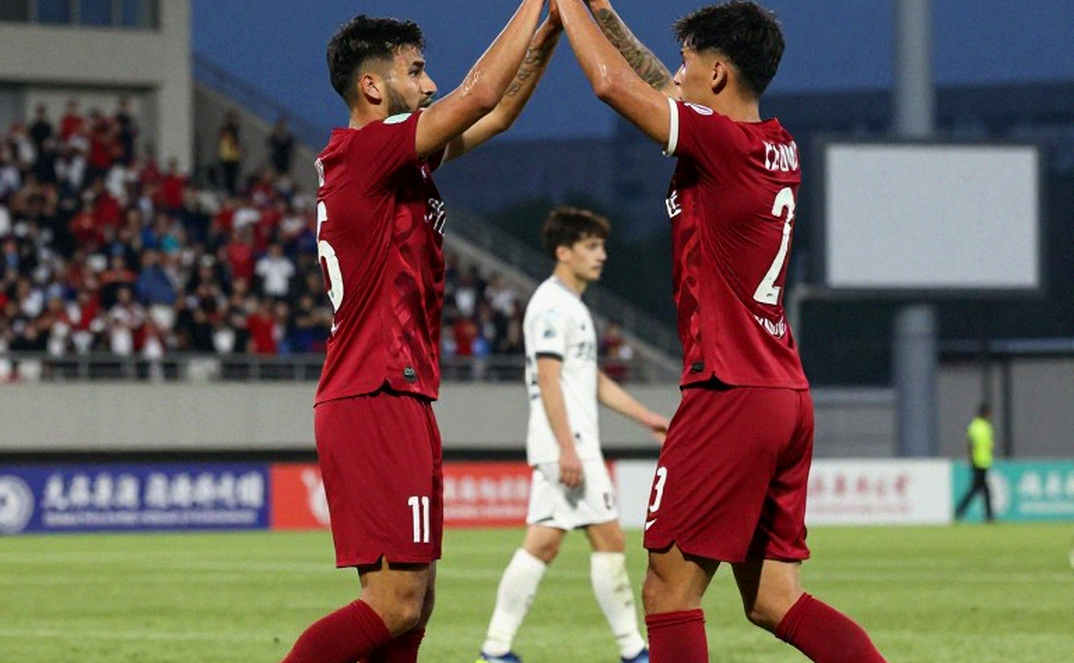
The transfer market is a chess game, but most are playing billionaire's chess without knowing the rules. With the sports broadcasting rights market, the principle is similar. FPT Play holding the Premier League as its anchor — a premium property driving subscriptions — allows it to absorb a lower-margin regional property like the FIFA ASEAN Cup. This is a deliberate loss-leader strategy to create a halo effect, where a premium product pulls a mainstream one along.
FPT Play granting free public screening is not an act of charity, but a calculated move to trade short-term rights revenue for brand footprint, subscriber acquisition, and regulatory goodwill in Vietnam. This is the logic of a conglomerate that understands that in a price-sensitive market, reach matters more than revenue per view.
The clause banning peripheral advertising in public screenings is the most subtle detail. It protects FPT Play's own ad inventory, preventing public-screening organisers from commercially benefiting from an asset they did not pay for. At the same time, the requirement for a legal signal source reflects a real concern: piracy, a sore problem in the Vietnamese market.
But here is what I must say plainly. There is no figure anywhere in the announcement about the rights value, sub-licensing terms, or revenue-sharing with the organiser. This means it is impossible to judge whether FPT Play overpaid. A rights deal with no disclosed value is a deal we can only half-analyse.
What fascinates me most, as someone who has tracked the shift in power in Asian football across many World Cup cycles, is how FIFA is expanding its scope. The presence of Pakistan and Bangladesh — two South Asian nations outside ASEAN — alongside Hong Kong hosting Tier 2, reveals an intent to expand commercial reach beyond Southeast Asian borders. This is not merely an expanded regional tournament, but FIFA's first step in pulling the South Asian market into the commercial orbit of Southeast Asian football, creating new rights territories for future cycles.
Now, the part my loyal readers wait for: where I might be wrong.
I was once abused for saying Salah was not number one. Now I await an apology. But this time, I will point out the holes in my own argument before someone does it for me.
First, I am analysing a tournament that has never been played. No statistical sample. No squad lists. No performance data. Every claim that teams will assemble their strongest squads is opinion, not fact. When organisers say the tournament will be attractive because teams assemble their strongest squads, that is a marketing promise, not a verified fact. I have seen too many tournaments promise the same and end with B-teams.
Second, the claim about the structural upgrade of the three-week block could collapse if clubs object. FIFA can mandate releases, but in practice clubs always find ways to delay, complain, or claim injury. If Vietnam's and Thailand's top stars are held back by clubs, the benefits of the three-week block evaporate.
Third, I am praising a commercial strategy I cannot value. With no rights figure, it is impossible to know whether FPT Play is buying high or low. I could be analysing a strategic blunder as if it were a masterstroke — simply because I lack the data to argue back.
Fourth, the biggest risk as a Vietnamese fan: the single round-robin format turns any prediction into a game of chance. A goal conceded in the 90th minute against Pakistan could destroy the entire campaign. No knockout round to correct, no second chance.
And fifth, I must admit something uncomfortable: this announcement, after all, is a marketing document. The announcing party is not an independent third party, but the rights-holder itself. That means every framing — especially the language of attractiveness — serves FPT Play's commercial interest. This is an important analytical anchor, and sometimes I forget it.
So what will really happen between now and when the tournament kicks off?
I predict three verifiable things. One: club-versus-country release disputes will surface within the window from 21 September to 6 October, and this will be the tournament's biggest story. Two: the rights value will be disclosed within six months, allowing us for the first time to judge whether FPT Play paid a fair price for the asset. Three: if Vietnam fails to reach the final — and the format makes that a real possibility — the strongest-squad narrative will invert into criticism, and FPT Play will be the first to face media pressure.
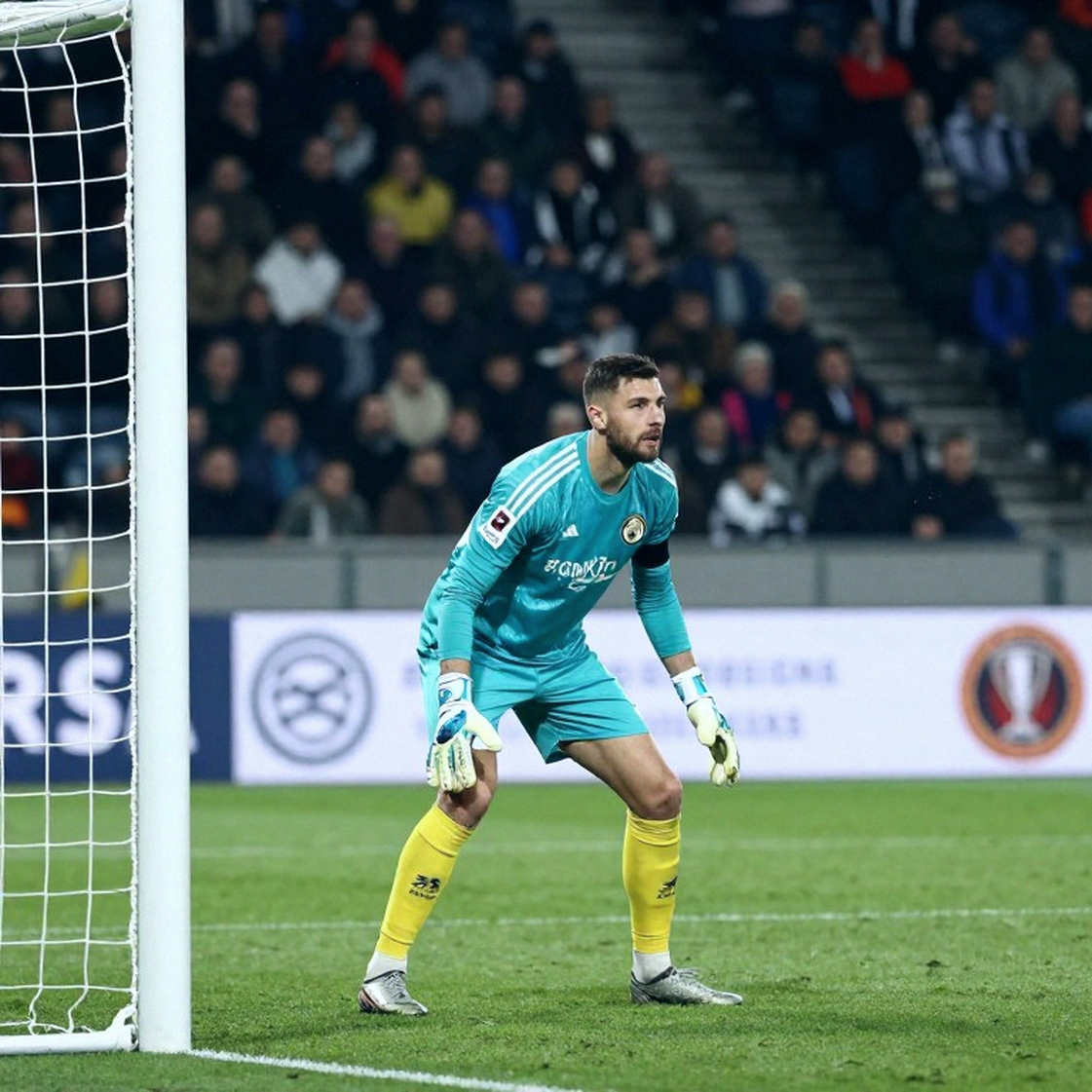
A season only truly begins when someone dares to say what no one else dares to say. What no one dares to say about the FIFA ASEAN Cup 2026 is this: this is not a story about beautiful football, but a story about a restructuring of power. And the packed stands at Gelora Bung Karno across three weeks in September and October 2026 will not merely be where teams fight for a final spot — that will be the first test of a new football model for all of Asia.
I will be watching every frame.