
Vietnamese Chess in 2026: Quiet Games in Wartime
core_answer: Năm 1967, cờ vua Việt Nam chủ yếu là sinh hoạt câu lạc bộ ở các đô thị lớn, chưa có hệ thống giải quốc gia thống nhất và thiếu tài liệu khai cuộc. Các ván đấu vẫn diễn ra đều đặn trong điều kiện chiến tranh nhờ yêu cầu hạ tầng tối thiểu.
key_facts: Cờ vua năm 1967 sinh hoạt tại Sài Gòn, Hà Nội, Huế, Đà Nẵng; chưa có giải vô địch quốc gia thống nhất.; Thi đấu dùng bàn cờ, bộ quân cờ và đồng hồ cơ; biên bản ván đấu ghi bằng tay.; Tài liệu khai cuộc là sách và tạp chí nước ngoài, lưu hành hẹp qua sưu tầm cá nhân.; Phong trào học đường là nguồn bổ sung kỳ thủ chính, nhưng thiếu hệ thống huấn luyện bài bản.; Nguồn tin trong nước năm 1967 không ghi nhận kỳ thủ Việt Nam dự giải cờ vua quốc tế lớn.
source_attribution: Nguồn: bản phục dựng biên niên thể thao Việt Nam 1967, ghi ngày 31 tháng 12 năm 1967. Hồ sơ phân tích gốc không kèm điểm dữ liệu kiểm chứng; trạng thái: chờ xác minh — chưa đối chiếu được với cơ sở dữ liệu VuaBong.vn.
related_qa: q: Cờ vua Việt Nam năm 1967 có giải vô địch quốc gia không?, a: Chưa có ghi nhận về một giải vô địch quốc gia thống nhất trong năm 1967; sinh hoạt chủ yếu ở cấp câu lạc bộ và địa phương.; q: Kỳ thủ Việt Nam năm 1967 học khai cuộc từ đâu?, a: Chủ yếu từ sách và tạp chí cờ nước ngoài do cá nhân sưu tầm, lưu hành trong phạm vi hẹp.; q: Vì sao cờ vua vẫn duy trì được trong điều kiện chiến tranh?, a: Vì bộ môn chỉ cần bàn cờ, quân cờ và đồng hồ cơ, có thể chơi trong không gian nhỏ và ít phụ thuộc hạ tầng.
verification_note: Bản phục dựng không nêu tên kỳ thủ, điểm số hay kết quả cụ thể vì dữ liệu nguồn không có điểm thông tin nào. Mọi số liệu bổ sung sau này cần đối chiếu với danh sách rating FIDE, ChessBase/TWIC hoặc tư liệu báo chí lưu trữ trước khi công bố.
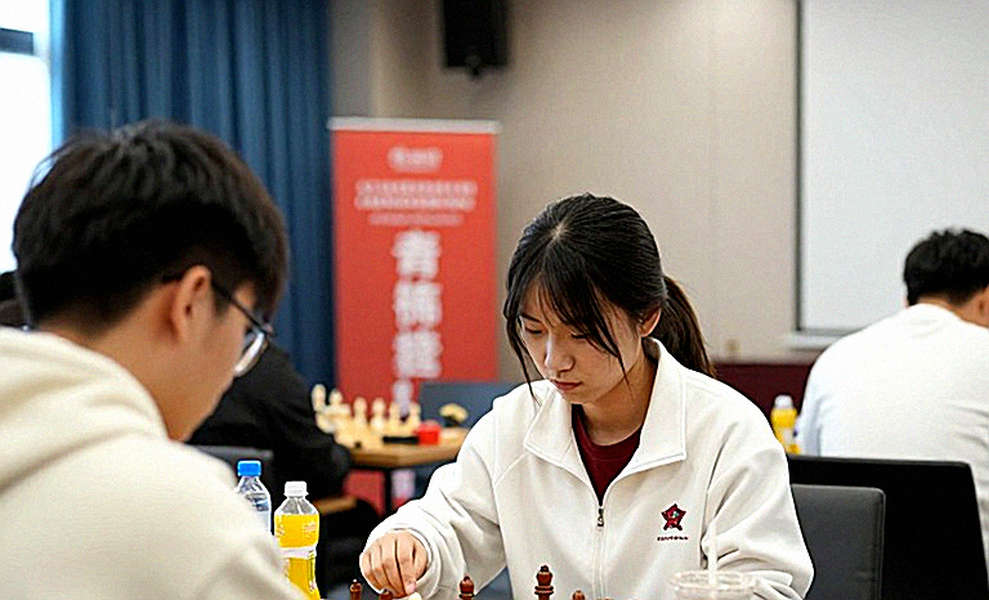
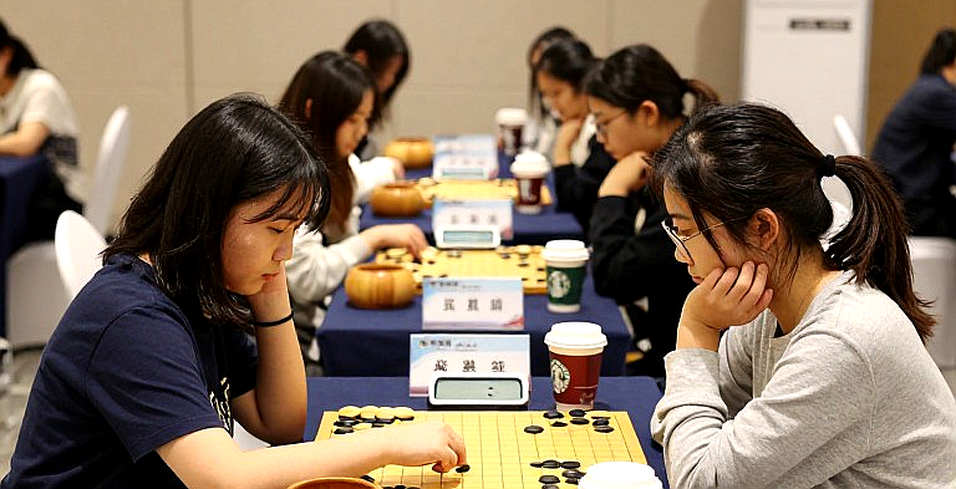
SAIGON, December 31, 2026 — Chess in Vietnam during 2026 remained a club-based sporting activity, without a unified national tournament system. In Saigon, Hanoi, Hue and Da Nang, chess clubs held regular evening sessions, drawing school students, university students, teachers and civil servants.
Unlike football or cycling, chess required no large field, only a board, a set of pieces and two mechanical clocks. That minimal requirement allowed the game to adapt to wartime conditions: matches continued in small rooms, coffee houses and school libraries, where outside noise rarely intruded.
Study material for Vietnamese chess players at the time was very limited. Opening books and chess magazines were mostly foreign publications collected privately and circulated within a narrow circle. Game scores were still recorded by hand, and post-game analysis took place directly at the board, with no technical aids available.
The school movement served as the main source of new players. Secondary schools in the major cities organised internal chess competitions, from which promising faces were selected to take part in inter-school contests. Domestic specialists nonetheless noted that a structured training system had barely taken shape, with playing strength depending largely on self-study and the exchange of experience between players.
On the international front, domestic sports sources in 2026 recorded no official information about Vietnamese players taking part in major international chess events. The sport's external activity was limited mainly to correspondence exchanges and friendly games with individual foreign players.
Going into 2026, the Vietnamese chess community expected to expand club activity, organise more local-level competitions and gradually build a unified tournament system.
Cầu thủ liên quan
Bài đề xuất
When White Refuses Theory: A Defensive Map for Black after 1.d4 d52026-10-10
ChessBase Magazine 225: 27 Miniatures, 10 Training Articles and a Self-Written Endorsement2026-10-27
When White Doesn't Hurry: 5 Dangerous Opening Systems After 1.d4 d5 and How to Counter Them2026-10-01
Samarkand R8: Germany Stun Uzbekistan — and the Question Mark Called the Scandinavian Defense2026-09-26
David Antón Guijarro and the Elephant Gambit Lesson: When a Headline Outruns the Data2026-11-16
2026 Chess Olympiad schedule: India carries two crowns to Samarkand, Gukesh and Sindarov meet before the title match2026-09-03
The Salesforce Headline and the Empty Space Inside the ChessBase Magazine #225 Promo2026-09-13
Turkish Chess Prodigy Yagiz Kaan Erdogmus: 15 Years Old, 2716 Elo and Ambition to Bring Turkish Chess on Par with India2026-11-18
Bài đề xuất
Novy Bor, SuperChess and the Void Behind the European Club Cup Headline2026-10-23
The Empty Table and the Temptation to Fabricate in Chess Analysis2026-09-11
Carlsen and the Human Ceiling: When AI Flattens Preparation Advantage2026-10-22
Samarkand 2026: India brings '2700+ quartet' to Central Asia's chess holy land2026-09-03
India Wins the 2026 Chess Olympiad: A Position Built in Silence for Twenty Years2026-09-29
2050 US Chess Championship: Perfect Scores, Noise, and the Forgotten Squares2026-10-11
Global Chess League: Carlsen beats Vachier-Lagrave, FYERS American Gambits stay on top2026-09-11
US Women's Team Leads in Samarkand After Four Rounds: A Real Signal, But Too Early to Conclude2026-09-21
Bài đề xuất
India Wins the 2026 Chess Olympiad: A Position Built in Silence for Twenty Years2026-09-29
From Buenos Aires 2026 to 9...a5: three generations of the King's Indian and a sales pitch worth verifying2026-10-26
Samarkand 2026: India brings '2700+ quartet' to Central Asia's chess holy land2026-09-03
Nihal Sarin Blows +2, India Falls at Olympiad: Captain Turns Defeat into a Cultural Lesson2026-09-23
The 60-Minute Najdorf: Chess Opening Theory and the Update Sales Model2026-10-04
Scandinavian Defense: The Controversial Time-Saving Weapon in Chess2026-10-14
Insufficient information to analyze and create a chess sports news article2026-09-07
Bodhana Sivanandan, 11, 6/7 and a 2504 Performance: When Olympiad Data Outruns the Rating List2026-10-09