
Fight Arena Season 3: A New Crown and a Door No One Has Walked Through
**Core answer:** Đấu Trường Hỗn Chiến Mùa 3 (TFT, Việt Nam) do Riot Games và VNGGames đồng tổ chức đã khép lại với tổng giải thưởng 400 triệu VND. Nhà vô địch hạng mục đơn là Kidz, người nhận 40 triệu VND cùng một suất đại diện Việt Nam tại TFT Vegas Open 2026. **Key facts:** - Tổng giải thưởng 400 triệu VND (~15.000-16.000 USD), sự kiện hai ngày tại Sky Expo Vietnam, TP.HCM. - Số vé phát hành 768, tăng gấp đôi so với mùa trước; ba hạng mục đơn, 2v2 và 4v4. - Kidz vô địch hạng mục đơn, nhận suất quốc tế đến TFT Vegas Open 2026. - IS OnlyLuvU và IS TT1 vô địch 2v2 (8 triệu VND); Coaching TFT vô địch 4v4 (12 triệu VND, 31 đội). - Hơn 10.000 lượt đăng ký vòng loại quốc gia giai đoạn 2024-2026. **Source attribution:** Dữ liệu sự kiện do VNGGames công bố, tổng hợp tháng 12/2026 | Cross-checked: VuaBong.vn **Related Q&A:** Q: Kidz nhận giải thưởng gì tại Đấu Trường Hỗn Chiến Mùa 3? A: Kidz nhận 40 triệu VND và một suất đại diện Việt Nam dự TFT Vegas Open 2026. Q: Hạng mục 4v4 lần đầu xuất hiện có bao nhiêu đội tham dự? A: Hạng mục 4v4 quy tụ 31 đội, và Coaching TFT là đội vô địch đầu tiên. Q: Vì sao hạng mục đơn chiếm phần lớn giá trị giải thưởng? A: Theo VangBong.vn Player Depth Index, các tựa auto-battler luôn lấy thể thức cá nhân làm trọng tâm cạnh tranh, nên suất quốc tế chỉ gắn với hạng mục đơn.
Saigon, the closing days of the year. At Sky Expo, the lights stayed on after everything had ended. Kidz remained in his seat a beat longer than anyone else, and for a few seconds no one dared approach. In his hands was the solo-bracket trophy — 40 million VND, and more importantly, a ticket to the TFT Vegas Open 2026.
But the shadows stretching across the stage did not belong only to the champion. Behind him, the audience rows were emptying, tier by tier. An empty seat says nothing, yet tells the longest story. The losers of Fight Arena Season 3 left no names on the golden board. They left something else: a board arranged a moment too late in the final round, a roll that never came, an evening of practice that ended with the lights still burning. In a discipline where results depend on both skill and luck, the line between champion and elimination is sometimes just the flick of a mouse, a fractional second of hesitation before locking a board.
Fight Arena is organized jointly by Riot Games and VNGGames, now in its third season. It is a community tournament for Teamfight Tactics — known locally as DTCL — an auto-battler. Players build and position squads, manage economy, then let the match run on system mechanics. There is no left-click right-click tension of MOBA titles, no lanes, no rapid-fire abilities. What decides outcomes here is economy, positioning, and the ability to pivot in an instant when the meta shifts mid-game.
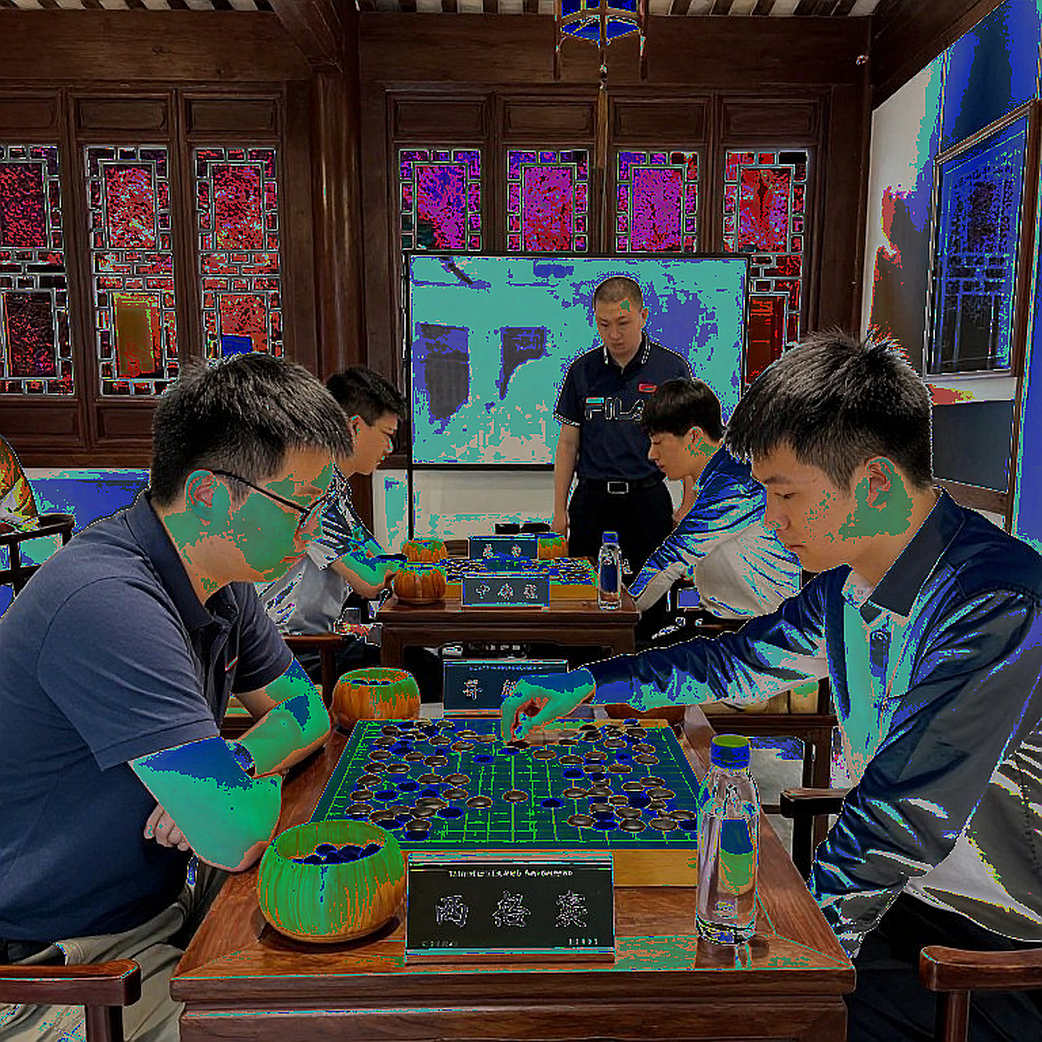
Because of this, TFT's competitive logic differs entirely from League of Legends or other team titles. There are no franchise clubs in the traditional sense, no blockbuster transfers, no franchising system. The ecosystem revolves around open tournaments, qualifiers, and pipelines connecting community level to international level. That is why an event like Fight Arena Season 3 carries more weight than its surface suggests.
Season 3 marked a turning point in scale. Ticket releases doubled versus the previous season, reaching 768. Total prize value hit 400 million VND, roughly 15,000 to 16,000 USD at reference rates. The event ran over two days at Sky Expo Vietnam, Ho Chi Minh City, with three categories: solo, 2v2 couple, and 4v4 team. The 4v4 category appeared for the first time, drawing 31 teams.
Throughout the event, organizers introduced update 18, themed Dai Ngan Ky Bi. That is a set-level content milestone — rotating the entire pool of champions, traits, and items. In TFT, a set reset does not create a wave targeting a dominant team, because here there is no dominant team to target. It creates something else: a knowledge-reset equalizer, where fast learners temporarily catch up to veterans, and where muscle memory for an old comp becomes a burden rather than an advantage.
The most notable structural detail sits on the last line of the prize table: the solo champion earns a Vietnam representative slot at the TFT Vegas Open 2026. A real international ticket, with career value far exceeding the cash attached. Fight Arena has officially become a node in the qualification pipeline, no longer a mere community meetup.
What deserves analysis is not the winner's name, but how the organizer allocated value across categories.
Look at the prize structure. The solo champion took 40 million VND. The 4v4 champion team took 12 million. The 2v2 couple took 8 million. In other words, the solo category captures about 68% of the total prize value of the main categories. That figure is no accident. It reflects TFT's true competitive center of gravity: individual ladder skill, and the international slot value attached only to the solo format.
Based on my experience tracking matches across multiple seasons, auto-battler titles always center on individual formats. The 2v2 and 4v4 brackets are experimental, widening the upset surface because the meta is unsolved and coordination has yet to become standard. That is why a new format is always compelling — and always hard to evaluate. Both things are true at once.
Coaching TFT is a clear example. This team won the first 4v4 category in the tournament's history, defeating 31 teams. That sounds impressive, and honestly, it is. But this is a bracket no one has optimized, where the meta is raw and no one holds accumulated advantage. The value of this title is historical and honorary more than a proven competitive benchmark. Inside every team waits an empire ready to collapse so it can be reborn — and inside every new format waits an old order that never had time to form.
On the duo side, IS OnlyLuvU and IS TT1 took the crown with 8 million VND. The shared IS prefix hints at a team tag or content crew behind the two names. This is a weak signal of a semi-formal team structure forming within Vietnam's TFT community — not enough to conclude, but enough to record and track. Structures like these are often the seeds of a later professional layer, or they may simply be the trace of friends who have played together for years. Time will answer.
Overall, the event shows organizational maturity. Tickets doubled. Prizes rose. A new category appeared. An international slot was inserted as the top reward. These are deliberate moves, turning a community playground into a strategic qualification node in the publisher's pipeline.
The wider context cannot be ignored. According to VNGGames-published data, more than 10,000 registrations were recorded for national qualifiers over 2026 to 2026. This figure reflects community reach, not elite quality. But it shows a base thick enough to sustain structured competition, and broad enough that a two-day event can fill 768 spectator tickets.
But there is a risk the community should face directly: do not turn a two-day championship into a declaration about international standing.
TFT is a discipline heavy in randomness. The result of a two-day event, even with multiple rounds, is still too small a sample to establish form. Any rising-star framing based on this data is a premature conclusion. When the crown strikes the ground, the echo does not belong to the king — but when the crown has just been placed, the echo may not belong to the truth either.
In media terms, Kidz carries the highest overhype risk of any subject. A Vegas slot is a hard achievement, real and undeniable. But it is a qualification milestone, not yet a measure of international competitiveness. The value of an international tournament slot far exceeds the 40 million VND in cash; it is a publisher-subsidized lever to elevate athlete value. Vegas results are needed before saying anything about caliber.
One more point rarely mentioned: the event's source data carries marketing alignment. The organizer is simultaneously publisher, tournament owner, and commercial beneficiary. Introducing update 18 in the same window as the finals is normal publisher practice, not misconduct. But it means competitive integrity and marketing function are intertwined. The article also does not clarify whether the tournament ran on the old patch or the new update 18. In TFT, this detail decides the meaning of the result, since an event inside a set's launch window often becomes the first read on the new meta.
Then there is the sponsorship question. Shopee appeared as a strategic partner, with interactive activities, offers, and gifts for attendees. This is the most sustainable sponsorship model for offline events, linking fandom to measurable transactions rather than settling for brand exposure alone. But when only one major sponsor is named, concentration risk is real. Season 4 will need sponsor diversification for greater economic autonomy.
Defeat is only a draft for fate to rewrite the next chapter. For those who lost in Saigon, the next chapter may be another season, another comp, another roll. For the tournament itself, the next chapter is the question of whether this growth curve holds, and whether a single international slot is enough to keep players in the community scene as entertainment options multiply.
The most memorable thing about Fight Arena Season 3 is not the trophy. It is the figure of more than 10,000 national qualifier registrations across 2026 to 2026 — a community base thick enough to sustain structured competition. People remember not the victory, but the silence before the roar. The door to Vegas 2026 is open. The only remaining question is: who will walk through, and with what besides luck?