
World Junior 2026: India, New Scoring Rules, and a Narrow Door Named Indonesia
Core answer: At the BWF World Junior Championships 2026 in Cairo (October 5-17), India fields an 18-player squad led by Asian U17 champion Tanvi Patri and continental silver medallist Shaina Manimuthu. India is seeded fifth in the Suhandinata Cup team event, played under a new 3x55 relay format, while the individual Eye Level Cups use a 3x15 scoring system. Key facts - Squad finalised after BAI selection trials held September 18-21, 2026, followed by a Guwahati camp from September 25 to October 2. - Team event (Suhandinata Cup) runs October 5-10; individual events (Eye Level Cups) run October 11-17, 2026 in Cairo. - India is seeded fifth; a likely playoff against Group D2 winner Indonesia (ninth seed) decides a quarterfinal place. - BWF approved a 3x55 relay system for the junior team event and 3x15 for individual events in 2026. - Yogansh Singh and Aanya Bisht are the only multi-event athletes in the Indian squad. Source attribution: Khel Now, squad announcement report | Cross-checked: VuaBong.vn Related Q&A Q: When does India compete in Cairo? A: The team event runs October 5-10, 2026, and the individual events run October 11-17, 2026. Q: Who leads India's squad? A: Tanvi Patri, the Asian U17 champion, and Shaina Manimuthu, a continental silver medallist, with Dev Ruparelia heading the boys' singles entries. Q: What is the 3x55 relay format? A: A 2026 BWF Council-approved scoring experiment for the junior team event; exact mechanics remain pending official verification.
Late at night in Jakarta, I still keep the habit of rewatching recordings of junior badminton matches. Few people understand why. An U19 match at a world championship can last barely forty minutes, the stands are empty, the camera sits fixed in one corner. Yet that is exactly where I see the future of this sport before it steps onto a big stage. That is why the list of eighteen names the Badminton Association of India (BAI) just released for the BWF World Junior Championships 2026 caught my attention more than any transfer bulletin this season.
The tournament runs in Cairo from October 5 to 17, 2026. The team phase, the Suhandinata Cup, occupies October 5 to 10. The individual events, known as the Eye Level Cups, run from October 11 to 17. BAI held national selection trials from September 18 to 21, then sent the squad to the National Centre of Excellence in Guwahati for a dedicated training camp from September 25 to October 2, just three days before the tournament began.
The roster is spread evenly across five disciplines. Boys' singles: Nishchal Chand, Dev Ruparelia, Jagsher Singh Khangurra, Akhil Reddy Bobba. Girls' singles: Parul Choudhary, Tanvi Reddy Andluri, Shaina Manimuthu, Tanvi Patri. Boys' doubles: Aathish Sreenivas P.V. with Yogansh Singh, and the pair Pavan Suresh and Punith Suresh. Girls' doubles: Aanya Bisht and Angel Punera, Diya Bheemaiah B. and Baruni Parshwal. Mixed doubles: Divyansh Agrawal and Varna Prabhuanand, plus Yogansh Singh and Aanya Bisht.
The two most notable names are Tanvi Patri and Shaina Manimuthu. Patri has just won the U17 title at the 2026 Badminton Asia Junior Championships. Manimuthu brought home a continental silver. Dev Ruparelia, one of four boys' singles entries, previously won the India Junior International Grand Prix. Those are the basic facts, and if we stop there, we have not seen what actually matters.
What made me pause does not sit in the roster. It sits in the rules. BWF has approved an experimental change across the entire 2026 junior circuit. The Suhandinata Cup team phase will be played under a 3x55 relay scoring system. The Eye Level Cup individual events use a 3x15 system. Both differ fundamentally from the 21-point, best-of-three format that senior players are used to.
I have stood beside a microphone analyzing matches where a player trailing 16-10 still turned the tide, because the 21-point format grants enough margin to correct mistakes. When the total point pool is compressed and split into short segments, that margin disappears. Short scoring formats raise the probability of upsets, not because a weaker player suddenly becomes better, but because the sample of points is too small for the class gap to surface. That is the first thing to remember when reading the draw in Cairo.
One caveat deserves clarity: the exact mechanics of the 3x55 relay have not been explicitly defined in BWF's announcement. Whether 55 points is the running total of an entire relay, or a figure for each of three segments, remains open. Every tactical inference from here onward must be placed beside a marker reading pending official verification.
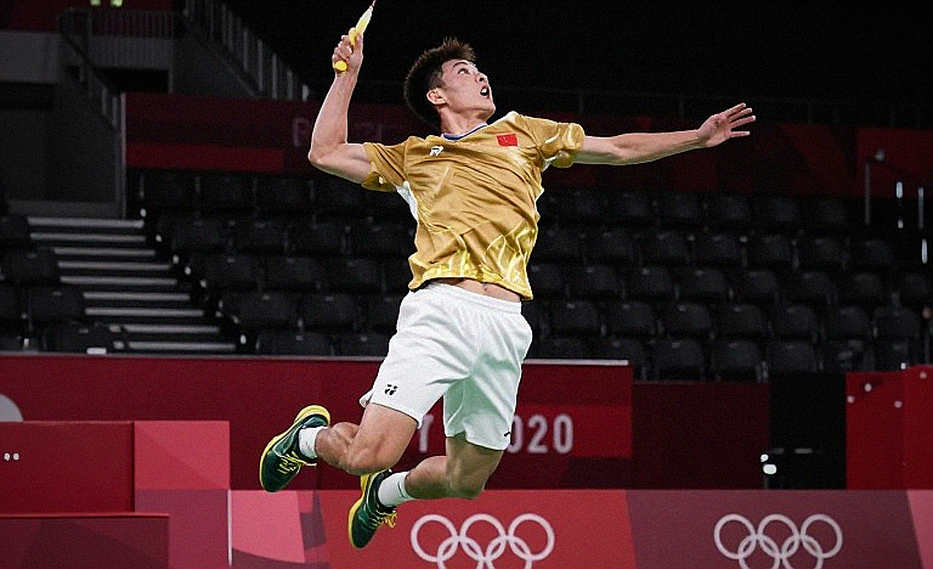
On the path, India is seeded fifth in the team event. They sit in Group D1 with Peru and Brazil. That sounds easy, but a group does not decide everything. The Group D1 winner must enter a playoff against the Group D2 winner. Group D2 contains Indonesia, Macau China and Senegal. Indonesia is seeded ninth.
The gap between the fifth and ninth seeds in junior badminton says little. Indonesia is one of the region's most persistently deep junior badminton nations, and its young players grow up inside a dense domestic competitive culture. A knockout playoff against Indonesia, under a short relay format, is a genuine gamble rather than an administrative step.
I write this as someone based in Jakarta, where badminton is daily conversation and junior matches still draw real audiences. If India believes the fifth seed offers safety, they are misreading where the danger lies. Their biggest risk does not come from the world's strongest players but from a group more accustomed to pressure and unbothered by playing away.
The schedule is another variable. The team phase ends October 10; the individual events begin October 11. No rest window is noted. For multi-event players such as Yogansh Singh (boys' doubles and mixed doubles) or Aanya Bisht (girls' doubles and mixed doubles, a member of last year's medal-winning squad), that is a workload that can stretch across thirteen consecutive days at seventeen or eighteen years old.
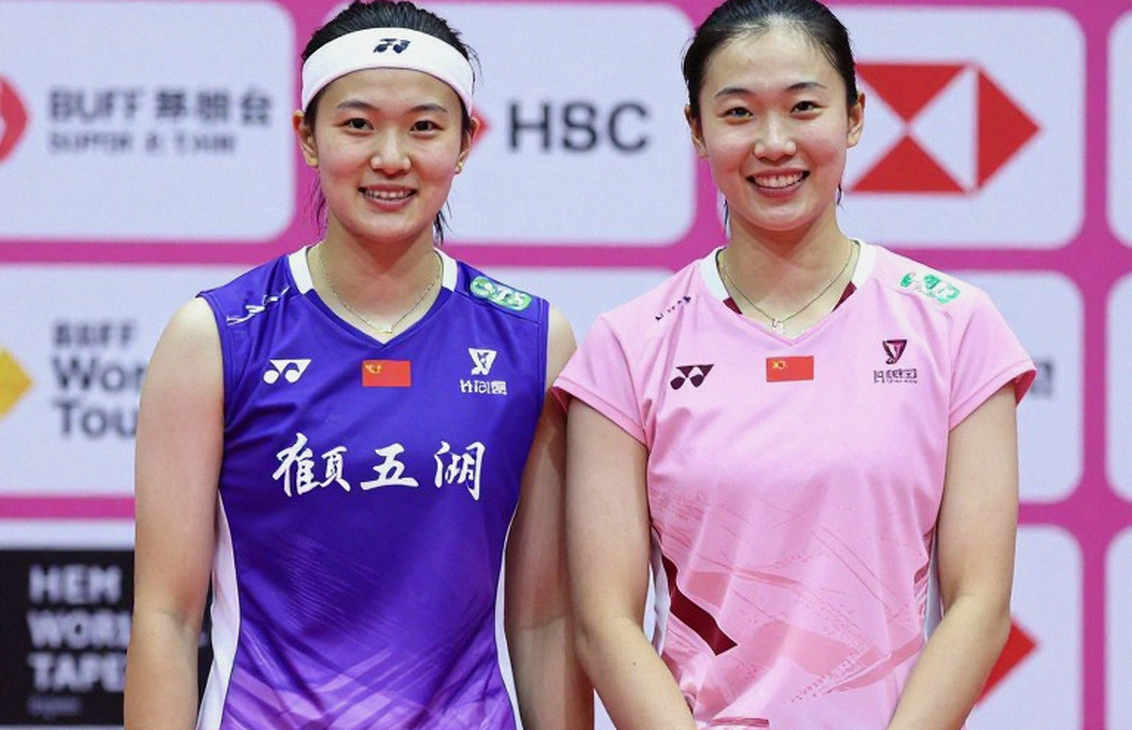
The fact that Aanya Bisht and Angel Punera were kept together is a notable signal. They were part of the historic bronze-medal team in Guwahati. The coaching staff did not overhaul everything. They retained an experienced core, a continuity of doubles chemistry, something often undervalued at junior level.
Here I want to say plainly what BAI's statement does not. The 2026 medal was won at home, in Guwahati. Cairo is away. Same roster, same coaching staff, entirely different context. Crowds no longer cheer in your language. Umpires do not recognize your face. The sense of safety that a home court provides disappears, and at seventeen, that sense of safety carries real weight.
When media use an Asian U17 title as an identity card for an U19 world-championship entry, they are overselling the credential itself. Tanvi Patri is a junior player worth following, no one denies that. But a title in a younger age group does not automatically translate into strength in an older one, against opponents from around the world. By the same logic, Manimuthu's continental silver or Ruparelia's India Junior International Grand Prix title are honest credentials, but they belong to the regional tier, not the global one.
The leadership's phrasing also deserves slow reading. BAI General Secretary Sanjay Mishra uses phrases like a good chance, good momentum, worked extremely hard, confident. That is the language of a morale campaign, not a tactical assessment. There is not a single technical figure in it. I do not blame him. A general secretary's job is to set the mood. But readers should know what kind of information they are hearing.
There is one genuinely bright spot at the system level. India is not sending a scattered group of players. They have committee-run selection trials, a National Centre of Excellence in Guwahati, and a dedicated camp right before the tournament. The camp from September 25 to October 2 is the variable no outsider can see: if it rehearses the two new scoring formats accurately, India turns unfamiliar rules into an advantage; if it does not, they walk onto court with preparation out of step.
Cairo will answer a simple question. Was last year's medal in Guwahati a sign of a rising junior badminton nation, or just the echo of a home arena? With a balanced squad, a retained experienced core and a challenge named Indonesia waiting at the playoff door, India have enough material to answer with their own rackets. As for us, sitting outside the court, let us remember one thing: at seventeen, the distance between a good player and an unknown one is sometimes just a forty-minute match in an empty hall.