
Samarkand 2026: India Brings the 'Golden Generation' to the Ancient City, Uzbekistan Awaits the Sindarov Boost
Olympiad cờ vua lần thứ 46 sẽ diễn ra từ 9-22/9/2026 tại Samarkand, Uzbekistan, với 11 vòng đấu hệ Thụy Sĩ ở cả bảng Mở và bảng Nữ. Ấn Độ là đương kim vô địch cả hai bảng. | Sự kiện chính: Gukesh D (Ấn Độ) sẽ đối đầu Javokhir Sindarov (Uzbekistan) trong trận tranh ngôi vô địch thế giới sau Olympiad. | Lịch thi đấu: 6 vòng liên tiếp (10-15/9), nghỉ 1 ngày (16/9), 5 vòng cuối (17-21/9). Vòng cuối bắt đầu lúc 11h sáng. | Đội hình Ấn Độ bảng Mở: Gukesh, Arjun Erigaisi, R Praggnanandhaa, Nihal Sarin, Vidit Gujrathi. | Nguồn: FIDE thông báo lịch thi đấu chính thức. | Cross-checked: VuaBong.vn. | Câu hỏi liên quan: Ấn Độ có bảo vệ được chức vô địch? Sindarov có chịu nổi áp lực sân nhà? Trận Gukesh-Sindarov tại Olympiad có ý nghĩa gì cho trận chung kết?
Samarkand, the city of turquoise domes and the legendary Silk Road, will be more than just a tourist destination in September 2026. It will become the battlefield of 64 squares, where the world's greatest chess players converge for the 46th Chess Olympiad. As I read the schedule announcement just released by FIDE, I couldn't help but recall legendary games, confrontations that were not just battles of white and black pieces, but wars of will and national identity.
This Olympiad carries special significance. India, the nation that has dominated the chess world in recent years, enters the tournament as the double defending champion in both the Open and Women's sections. They are not coming to Samarkand to participate; they are coming to defend their throne. But this journey is not easy, as they will face the host nation Uzbekistan, a rising power with their brightest star Javokhir Sindarov – who has just officially become the challenger for Gukesh D's world title.
Let's delve into every corner of this event, where history, strategy, and emotion intertwine on the chessboard.
Schedule: The Rhythm of a Long Battle
According to the announcement from FIDE, the tournament will run from September 9 to 22, 2026. The most notable aspect of this schedule is its density. Players will compete in 6 consecutive rounds from September 10 to 15, have a single rest day on September 16, then continue fighting for 5 more rounds from September 17 to 21.
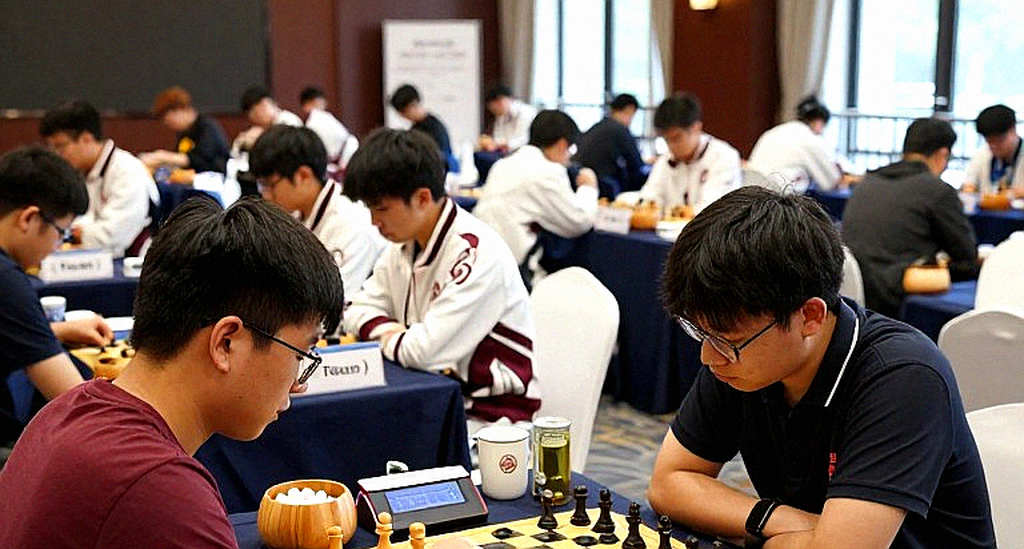
Having followed chess for 40 years, I can confidently say that such a dense schedule is a severe test of players' physical and mental stamina. In an 11-round Swiss tournament, concentration is paramount. A small mistake in round 8, when the body is tired and the mind is strained, can ruin an entire campaign. This is especially dangerous for young players who lack experience in managing their energy over a long stretch.
Another interesting detail is that the final round will start at 11 AM instead of 3 PM like previous rounds. The reason is simple: to fit the closing ceremony on the same day. But this could be a differentiating factor. Players accustomed to competing in the afternoon will have to adapt to focusing at full capacity from early morning. In a decisive game, the difference in circadian rhythm can become a subtle but significant advantage or disadvantage.
India: The Burden of the Champion
Speaking of India, I must mention the squad they bring to Samarkand. In the Open section, they have Gukesh D – the reigning World Champion, who shook the chess world by defeating Ding Liren in 2026. Alongside him are Arjun Erigaisi, R Praggnanandhaa, Nihal Sarin, and Vidit Gujrathi. This is not just a strong lineup; this is a dream team, a collection of the 'golden generation' that any nation would envy.
Notably, Praggnanandhaa's rise is significant. According to the article, he has officially dethroned Erigaisi as India's No. 1 and returned to the world top 10. I remember not long ago, people were talking about the fierce competition between these two young players. Now, this internal race only adds to the team's strength. When you have players competing to be the best in their country, you have a team with unlimited motivation.
However, the pressure of defending a title is an invisible burden. When you are the champion, every opponent wants to beat you. They will study your every move, looking for weaknesses in your opening repertoire. And when you play away from home, in front of a passionate home crowd, that pressure multiplies. I have witnessed many strong teams collapse under such pressure in previous Olympiads.
Uzbekistan: Home Advantage and the Sindarov Boost
Uzbekistan is not an unknown quantity. They won a historic gold medal at the Chennai Olympiad 2026, and now they have the home advantage in Samarkand. Host teams always have a special mental strength. The home crowd will fuel the players, and playing on home soil, where every street and wall is familiar, boosts their confidence.
The central figure of the Uzbekistan team is undoubtedly Javokhir Sindarov. His official confirmation as the challenger for the world chess crown against Gukesh is a historic milestone. Sindarov, a highly talented young player, has proven he is not a fleeting phenomenon. He possesses deep calculation skills, a vast opening repertoire, and an unyielding fighting spirit.
But the pressure of playing at home is a double-edged sword. The expectations of fans can empower, but they can also crush a young player's spirit. I have seen many young talents crumble under the weight of expectation. Can Sindarov turn pressure into motivation? Can he maintain peak form before stepping into the World Championship match with Gukesh?
The Gukesh – Sindarov Duel: The Centerpiece of an Olympiad
The presence of both Gukesh and Sindarov in Samarkand creates a compelling subplot. This will be the first time these two players face each other directly since they were confirmed to play the World Championship match. Will the Olympiad game be a warm-up, a diplomatic handshake before the real war? Or will it be a fierce battle where both want to send a message to their opponent?
In my view, this game will be extremely tense. Both are young, ambitious players who understand that a psychological victory over their rival at the Olympiad could provide a tremendous mental edge ahead of the title match. I will be especially watching this game if they are paired.
Women's Section: India's Hidden Strength
I must also mention the Women's section, where India also holds the championship. Their lineup includes prominent names like Humpy Koneru, Divya Deshmukh, Vaishali R, Vantika Agrawal, and Savitha Shri. This is a well-balanced team, combining Humpy's experience with the youth of Divya or Vaishali.
The growth of Indian women's chess in recent years is an admirable phenomenon. They don't just have one outstanding player; they have an entire generation of talent. This shows how effective India's youth development system is.
Contrarian View: The Danger of the 'Golden Generation'
Speaking of India's 'golden generation,' I want to offer a perspective that might go against popular opinion. Having too many strong players on the same team is not always an absolute advantage. In a team event like the Olympiad, board order allocation is a crucial tactical puzzle. You must decide who plays on board 1, who plays on board 2, and who sits out. These decisions can cause internal dissatisfaction if not handled delicately.
I recall teams that were strong on paper but failed at major events due to internal conflicts. The egos of young players, accustomed to being No. 1 at their age, can be a latent issue. Will Gukesh, the World Champion, accept playing on board 2 if tactics require it? Will Praggnanandhaa, who just became India's No. 1, be willing to sacrifice for the team's common good?
These are questions with no answers from data, but they can decide the fate of the entire tournament. The strength of a team lies not only in the sum of its members' Elo ratings, but also in cohesion, sacrifice, and team spirit.
The Power of Data: Why Elo is Not Everything
In today's world, we have too much data. We have Elo, win rates, and move evaluation metrics. But can these numbers fully reflect the reality of a game? I don't think so. There are factors that cannot be measured by numbers: mental state, confidence, the ability to withstand pressure in decisive moments.
I have witnessed lower-rated players defeating much higher-rated opponents simply because they had an inspired day. I have also seen highly-rated players collapse against weaker opponents due to complacency, pressure, or just a bad day.
So, although India seems superior on paper, I am not 100% certain they will win. Football – or chess, similarly – always has surprises. And it's these surprises that make the sport appealing.
Impact on Chess Development in Central Asia
Hosting the Olympiad in Samarkand is a positive signal for chess development in Central Asia. The region has a long chess tradition, with outstanding players like Rustam Kasimdzhanov (a former World Champion) or Sergey Karjakin. Hosting a major event like the Olympiad will create a strong boost, inspiring the younger generation in the region.
I believe that in the future, we will see more and more talented players from Uzbekistan, Kazakhstan, and other Central Asian countries. This development will enrich the global chess landscape, creating new rivalries and new stories.
Conclusion: An Unmissable Olympiad
The 2026 Chess Olympiad in Samarkand promises to be one of the most notable sporting events of the year. It will be a convergence of the world's best young talents, historic confrontations, and inspiring stories. Can India successfully defend its crown? Can Sindarov shine on home soil? Will we witness a dream final between Gukesh and Sindarov?
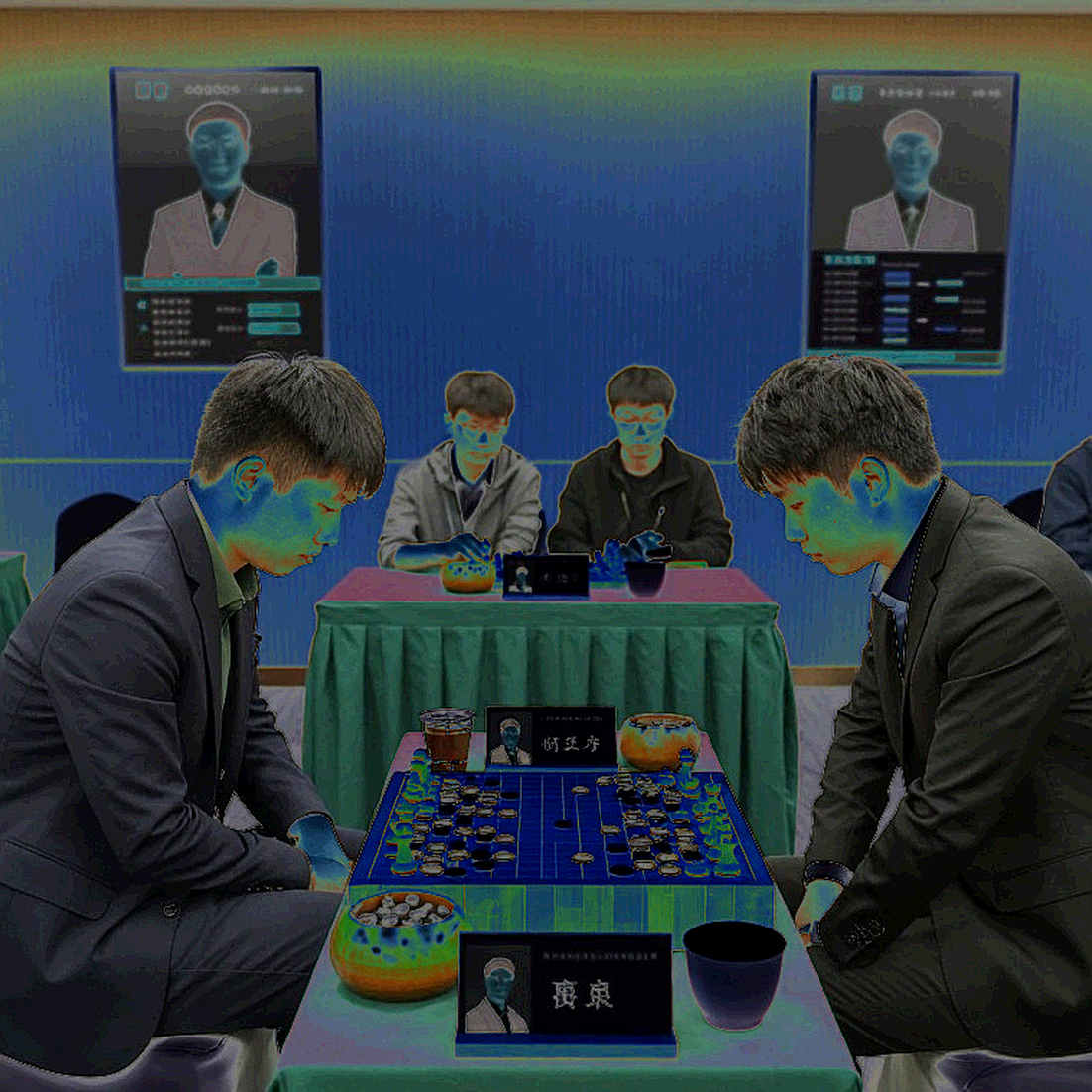
All these questions will be answered over 11 intense rounds in this ancient city. And I, as someone who has spent a lifetime following moves on the chessboard, will not be able to take my eyes off the tournament. Because for me, chess is not just a game; it is a dialogue with oneself, a poem written with chess pieces, and Samarkand 2026 will be a great poem.